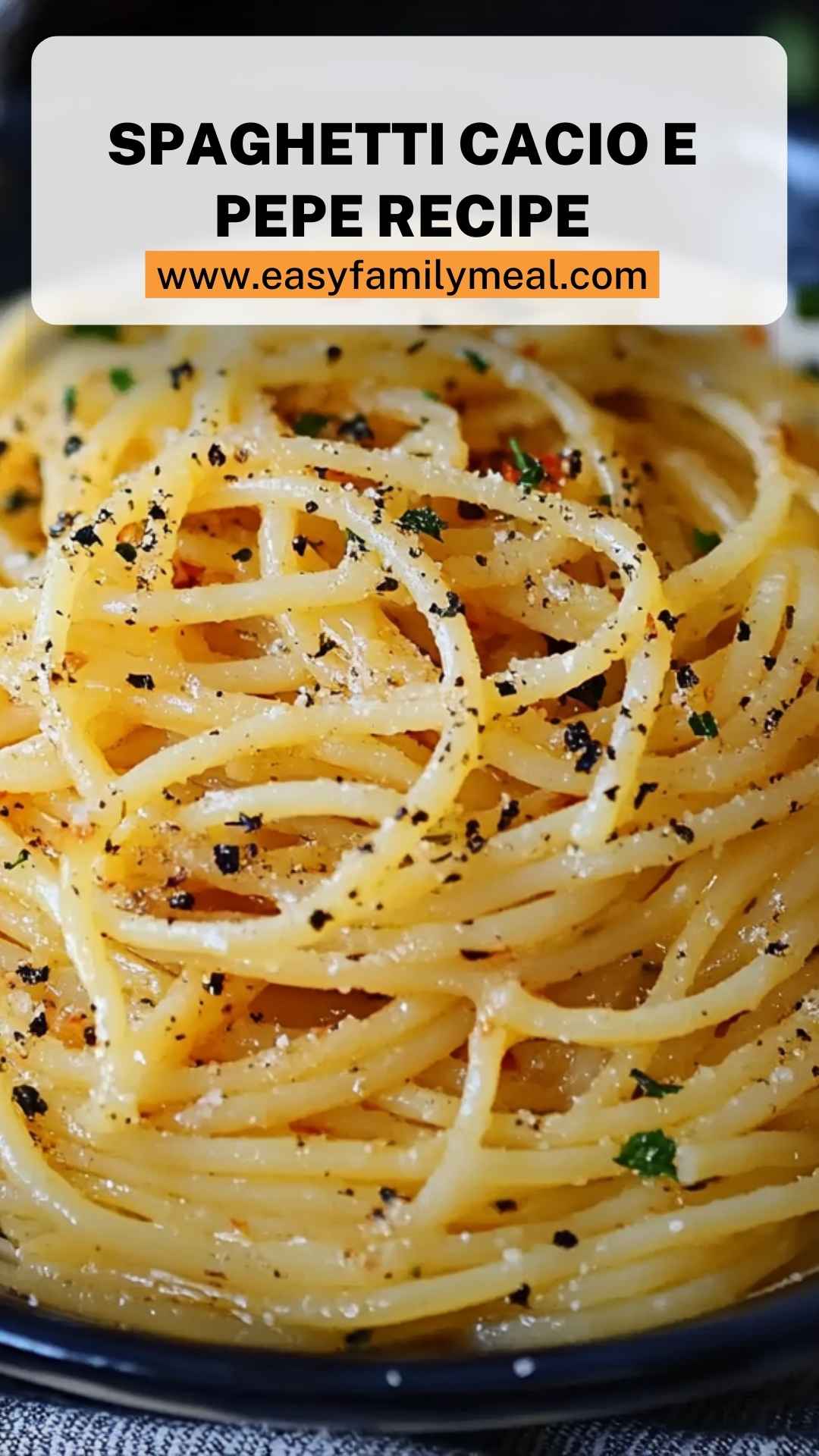
Ingredients
Method
Step 1: Boil the Water
- Fill a large pot with water and add a generous pinch of salt. Bring it to a rolling boil. Remember, the water should taste like the sea.
Step 2: Cook the Spaghetti
- Once boiling, add the spaghetti to the water. Cook according to package instructions, usually about 8-10 minutes, stirring occasionally. You want it al dente, so it has a bit of bite.
Step 3: Prepare the Sauce
- As the pasta cooks, take a large skillet over medium heat. Add the extra-virgin olive oil. If you’re using garlic, now’s the time to toss it in. Sauté for about a minute until fragrant but not browned. Add the freshly ground black pepper and let it infuse into the oil for another minute.
Step 4: Mix Pasta and Sauce
- When the spaghetti is ready, use tongs to transfer it directly into the skillet with the olive oil and pepper. Don't forget to save about a cup of the pasta water! Stir the pasta around to coat in the fragrant oil.
Step 5: Create the Creamy Consistency
- To create that signature creamy texture, slowly add the grated Pecorino Romano cheese. Pour in a little of the reserved pasta water as needed. The cheese will melt and blend with the oil, forming a luscious sauce. Keep stirring until you have a smooth consistency.
Step 6: Serve and Garnish
- Once the spaghetti is well-coated, remove it from the heat. Add a sprinkle of chopped parsley and a dash of crushed red pepper flakes, if desired. Serve hot and enjoy each mouthful.
Notes
- Dried Spaghetti Noodles: I favor high-quality, durum wheat spaghetti for this recipe. It holds up well, creating the right texture.
- Extra-Virgin Olive Oil: A good oil adds flavor. I look for brands that are cold-pressed and contain no additives.
- Pecorino Romano Cheese: This cheese gives cacio e pepe its distinct taste. For the best flavor, I always grate my own from a block. Pre-grated cheese often lacks that intense flavor we crave.
- Black Pepper: Freshly ground pepper works wonders. I recommend using a pepper mill to get the desired freshness.