This post contains affiliate links. As an Amazon Associate I earn from qualifying purchases.
I’m so excited to share one of my go-to weeknight heroes with you today! This stir fry pork recipe has saved my sanity more times than I can count when school pickups run late and my kids are hungry NOW. The beauty of this dish is how quickly it comes together while delivering serious nutrition and flavor that even my pickiest eaters devour. If you’re looking for other speedy proteins to rotate into your meal plan, check out my Barbacoa Recipe Instant Pot for another family favorite that minimizes stress during busy weeknights.
The Night I Discovered My Secret Weapon Dinner
It was a Tuesday evening about seven years ago, and I was absolutely frazzled. I’d just finished a long shift at the clinic, picked up my youngest from soccer practice, and realized I had zero plan for dinner. My husband was working late, my kids were asking “what’s for dinner?” every thirty seconds, and my brain felt like scrambled eggs.
I opened my pantry in desperation and found soy sauce, ginger, and some pork tenderloin in the freezer. Fifteen minutes later, we were sitting around the table eating something so vibrant, colorful, and genuinely delicious that my kids actually asked for seconds. That night changed everything for me as a busy mom and dietitian. I realized that fast didn’t have to mean frozen nuggets, and nourishing didn’t have to mean complicated.
Since then, I’ve made this stir fry pork recipe hundreds of times. I’ve taught it to countless families in my nutrition counseling sessions. I’ve tweaked it, perfected it, and made it foolproof enough that even my teenage son can handle dinner when I’m running behind. Today, I’m handing this tried-and-true recipe straight to you.
What is Stir Fry Pork Recipe?
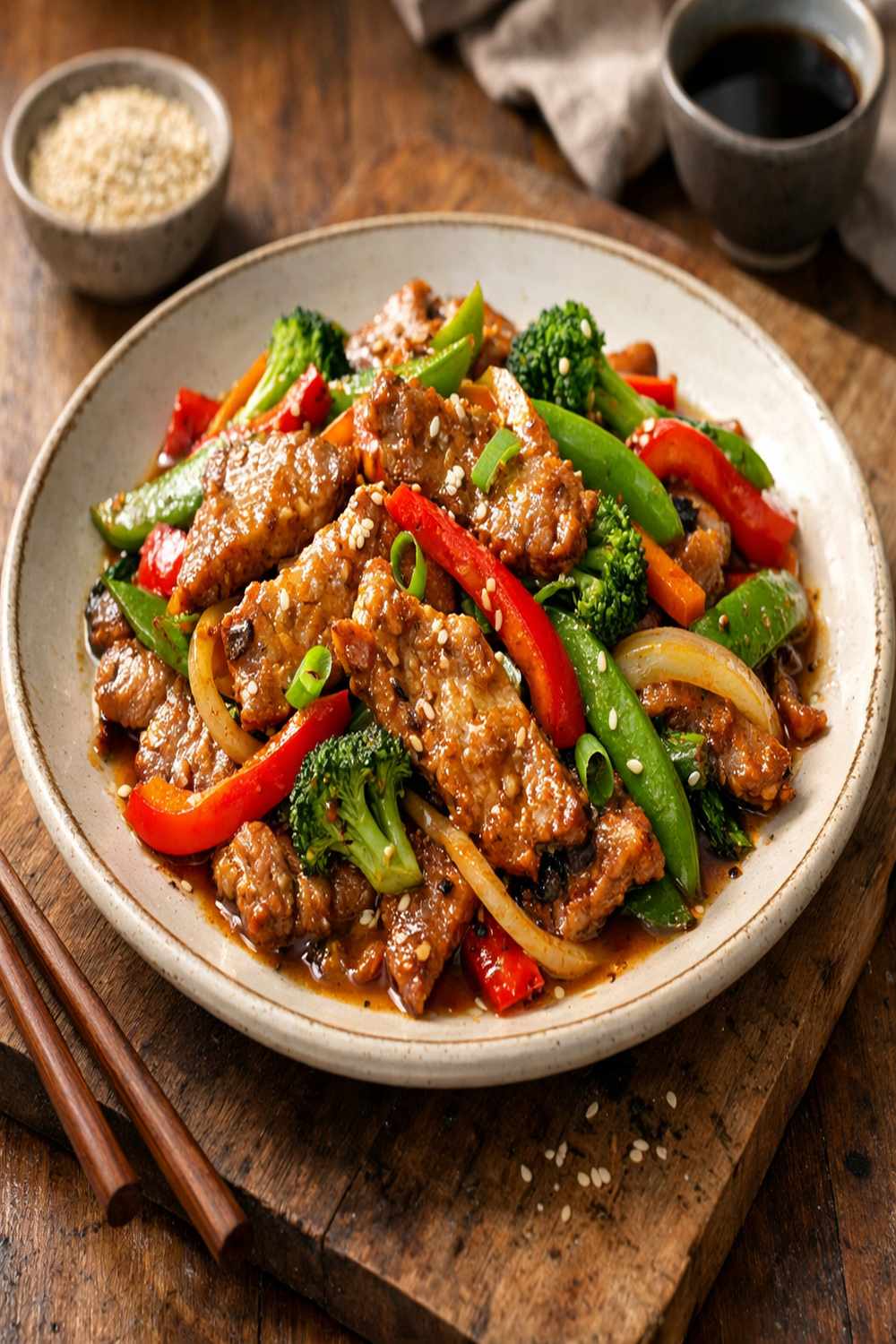
Stir fry is one of those brilliant cooking techniques that comes from centuries of Chinese culinary wisdom. It’s a method that cooks ingredients quickly over high heat while keeping everything moving in the pan. The result? Tender meat, crisp-tender vegetables, and maximum flavor with minimum time.
This particular version features lean pork tenderloin as the star. Pork tenderloin is genuinely one of the leanest cuts available, making it ideal for families watching their fat intake without sacrificing taste. The meat sits in a savory-spicy glaze that clings to every piece, while colorful vegetables retain their crunch and nutritional punch.
What makes stir fry so special in my kitchen is that it honors the integrity of each ingredient while pulling them together into something greater than the sum of its parts. Nothing gets mushy, nothing sits around getting cold, and the entire process feels meditative rather than stressful. I time myself constantly, and I’ve never exceeded twenty-five minutes from fridge to table.
Why You’ll Love This Stir Fry Pork Recipe
- It’s genuinely fast – Twenty minutes including prep time means this fits even the most chaotic Tuesday night schedule
- Kids actually eat the vegetables – Something about the quick cooking and glossy sauce makes broccoli and peppers irresistible to even resistant eaters
- It’s packed with lean protein – Pork tenderloin delivers about twenty-five grams of protein per serving without excess fat or calories
- One-pan cleanup – A single skillet or wok means less time scrubbing and more time enjoying your family
- It’s naturally flexible – Swap vegetables based on what’s in your crisper drawer without affecting cooking time or results
- Restaurant-quality at home – This tastes like takeout but costs a fraction of the price and contains none of the mystery ingredients
- No marinating required – The sauce does all the flavor work in minutes rather than hours
The Ingredients
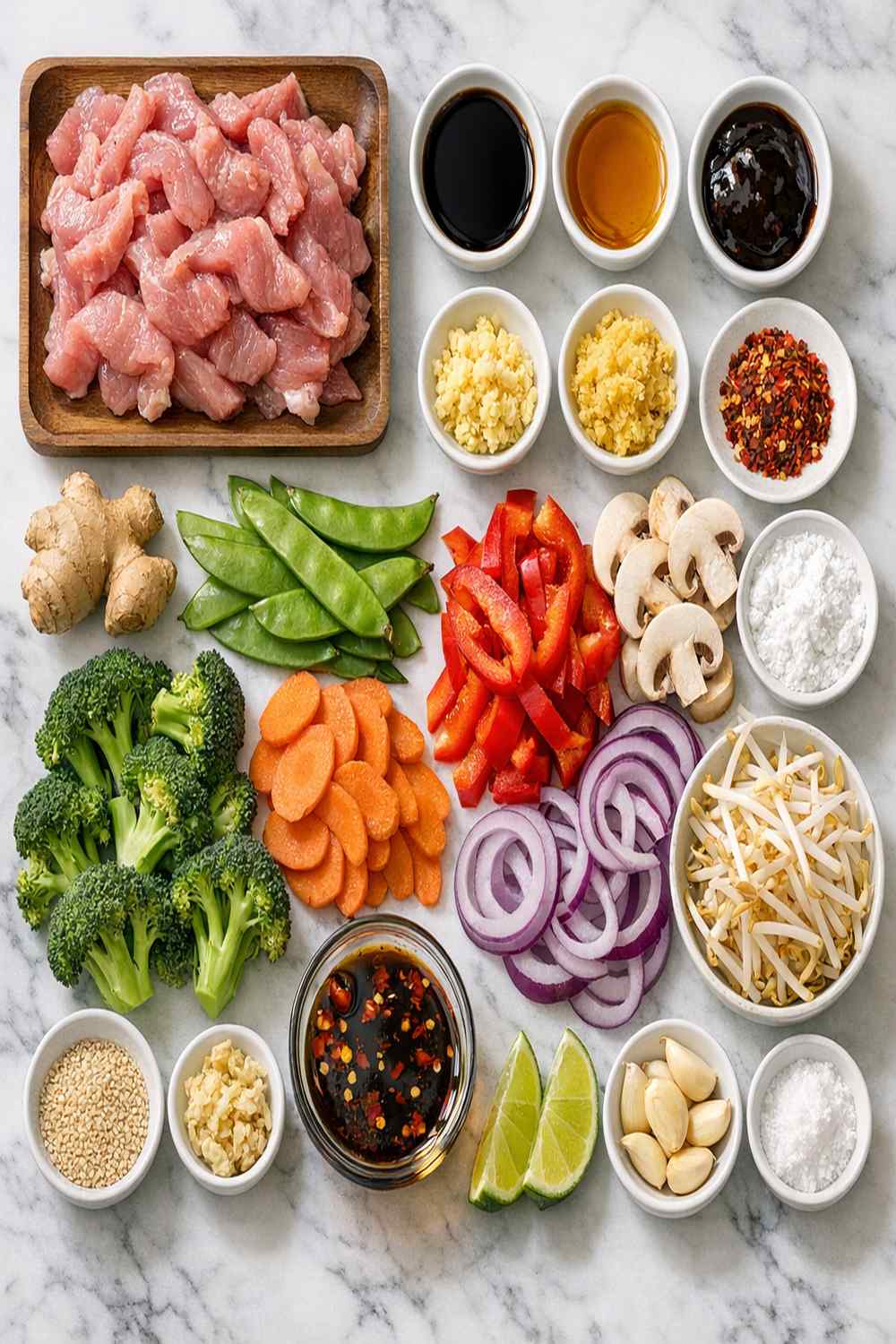
I’ve organized these ingredients into easy-to-understand groups so you can gather everything before you start cooking. This is one of my professional tips from years of teaching families meal prep: having everything prepped and ready means you’re set up for success. This recipe makes four generous servings, perfect for a family of four or with leftovers for lunch the next day.
For the Sauce
- 1 tablespoon sriracha sauce (adds heat and depth)
- 1 tablespoon cornstarch (thickens sauce to cling to meat and vegetables)
- 1 tablespoon toasted sesame oil (adds nutty, authentic Asian flavor)
- ⅓ cup reduced-sodium soy sauce (provides umami without excess salt)
- 1 tablespoon honey (balances heat with subtle sweetness)
- ¼ cup water (dilutes salt content for balance)
For the Protein and Vegetables
- 1 cup broccoli florets (use small florets so they cook evenly in three minutes)
- 1 tablespoon ginger root, freshly grated (adds warmth and aids digestion)
- 1 tablespoon garlic, minced (about three cloves, fresh always beats jarred)
- 1 pound pork tenderloin (the leanest cut available, about 180 calories per 3-ounce serving)
- 2 tablespoons avocado oil, divided (high smoke point prevents oxidation)
- 1 cup bell peppers, red and green (sliced into ½-inch strips for quick cooking)
- ½ cup red onions (sliced thin so they soften without becoming mushy)
- 1 teaspoon sesame seeds (garnish for texture and nutrition)
- ½ cup snap peas (add crunch and vitamins C and K)
How to Make Stir Fry Pork Recipe?
I’m going to walk you through this step-by-step, and I promise that once you’ve made it once, it becomes automatic. I often make this dish while on a work call (muted, of course!) because the rhythm becomes so familiar. Let’s get cooking together.
Step 1: Make Your Sauce First
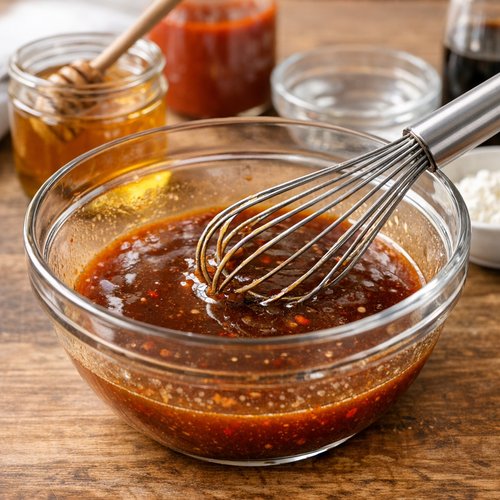
Grab a small mixing bowl and whisk together your reduced-sodium soy sauce, water, sriracha, honey, and cornstarch. This is your mise en place moment—the French culinary term for having everything ready before cooking begins. The cornstarch needs to be fully dissolved into the liquid, so whisk for about fifteen seconds until you don’t see any white specks settling at the bottom. Set this aside where you can reach it easily. This step takes literally one minute, and it’s the difference between feeling rushed and feeling in control during the cooking process.
Step 2: Prep Your Pork the Right Way
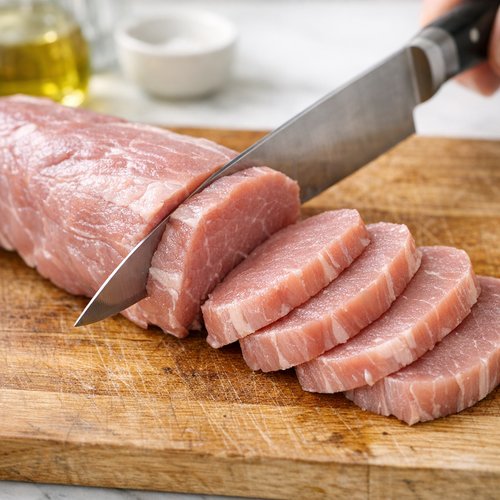
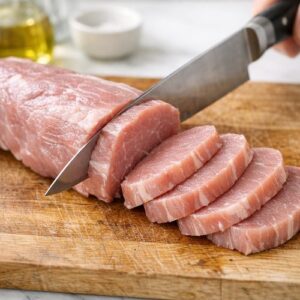
Pull your pork tenderloin out and place it on a cutting board. Using a sharp knife, slice it into ½-inch rounds—think of cutting a loaf of bread, not too thin or they’ll dry out. Then take each round and cut it into three to four strips. You’re aiming for roughly ¾-inch wide strips that will cook evenly in the pan. Some pieces will be smaller, and that’s absolutely fine. This whole step takes about two minutes, and having uniform sizes means everything cooks at the same rate rather than some pieces being dry while others are still raw.
Step 3: Sear Your Pork Until Golden
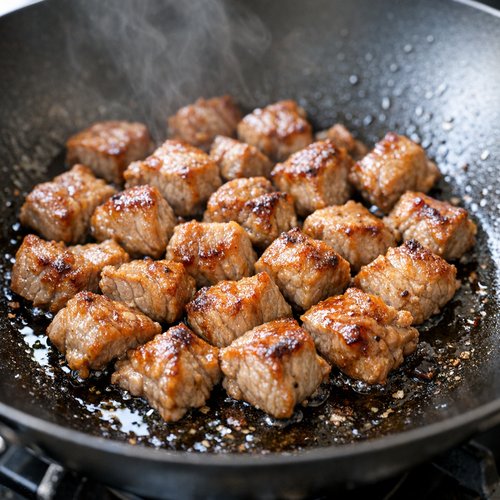
Place your large skillet or wok over medium-high heat and add one tablespoon of avocado oil. Wait until the oil shimmers and moves easily across the pan—this is your signal it’s ready. Carefully add your pork strips in a single layer. Don’t stir them for the first minute! Let them sit and develop a beautiful golden crust. After about one minute, give them a good stir and cook for another three to four minutes until they’re no longer visibly raw on the outside. The pork doesn’t need to be fully cooked through at this point; it’ll finish cooking when it goes back in later.
Transfer your cooked pork to a clean plate using a slotted spoon. This usually takes about five minutes total. Pro tip from my clinical experience: lean proteins like pork tenderloin dry out quickly, so we’re cooking it in two stages to maintain moisture.
Step 4: Cook Your Vegetables Until Tender-Crisp
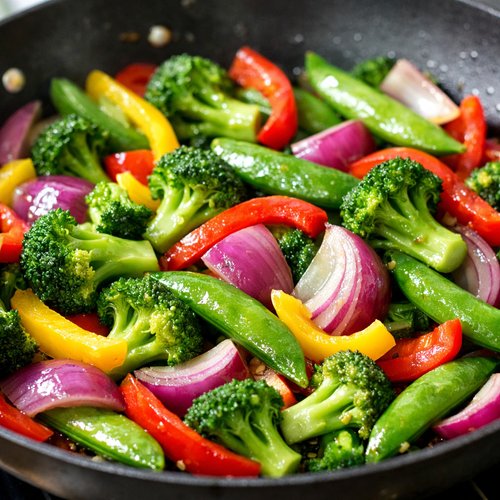
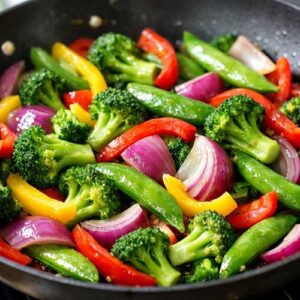
Add your remaining tablespoon of avocado oil to the same skillet. Add your broccoli florets, bell peppers, red onions, and snap peas all at once. This is where the magic happens! Stir them constantly for about three minutes. You’re looking for that tender-crisp texture where the vegetables have softened slightly but still have a pleasant bite. The broccoli should turn a deeper green, and the peppers should be just starting to soften at the edges.
In the final thirty seconds, add your minced garlic and freshly grated ginger. Stir constantly during these last moments—you want the ginger and garlic to become fragrant and release their oils, but you don’t want them to burn. If they start to stick, add a splash of water.
Step 5: Bring It All Together
Reduce your heat to medium. Add your pork back into the skillet with the vegetables. Give your sauce a quick stir from the bottom (the cornstarch settles as it sits), then pour it into the skillet. Stir everything constantly for about two more minutes. You’ll see the sauce transform from slightly opaque to glossy and thick as it cooks and the cornstarch activates. The pork should now be completely cooked through, and everything should be evenly coated in that gorgeous glaze.
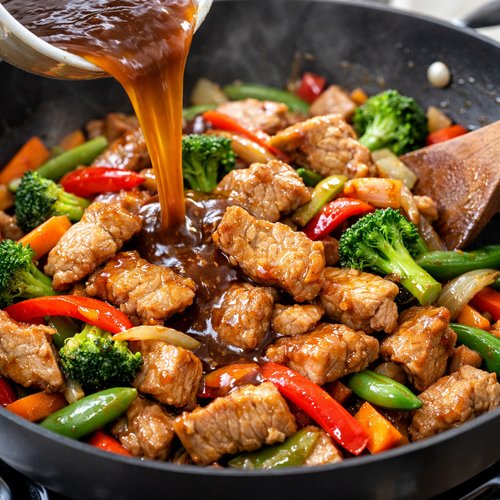
Step 6: Finish With Sesame Oil and Seeds
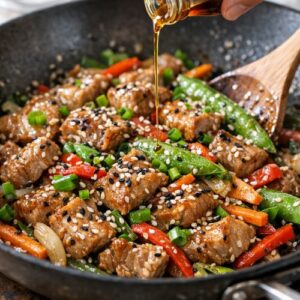
Remove from heat and let it rest for about thirty seconds. Drizzle the toasted sesame oil over everything and give it one final gentle stir. This final touch adds authentic flavor and aroma that absolutely cannot be replicated by regular sesame oil. Sprinkle with sesame seeds for texture and visual appeal. Divide between four plates and serve immediately while the vegetables are still steaming.
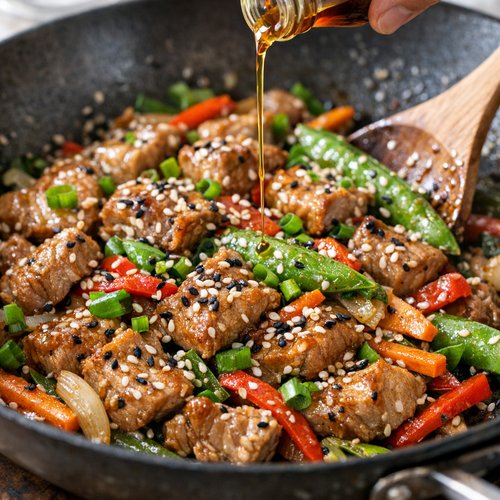
Tips and Tricks
- Don’t skip the cornstarch step – This creates the signature glossy coating that makes the dish restaurant-quality. Without it, you just have pork and vegetables in thin sauce
- Keep your heat high – High heat creates tender vegetables and caramelized pork. Low heat creates steamed, pale results. The entire cooking process should feel energetic and fast
- Prep everything before you start cooking – Once your oil is hot, there’s no time to chop. Have all vegetables, sauce, and pork ready to go
- Buy pre-minced garlic if you’re short on time – Fresh ginger must be grated fresh (the flavor compounds degrade quickly), but garlic paste works perfectly in a pinch
- Use a wok if you have one – The sloped sides make tossing easier and faster. That said, a large skillet works absolutely fine
- Test pork tenderness with a fork – If you’re unsure about doneness, poke it with a fork and gently press. Fully cooked pork should feel firm, not squishy
- Make your sauce thicker or thinner based on preference – If you like more sauce, reduce cornstarch to ½ tablespoon. If you like it thicker, add another ½ tablespoon
Can I Store Stir Fry Pork Recipe?
Absolutely! This is one of my favorite recipes for meal prep because it stores beautifully and actually tastes wonderful reheated. Let it cool to room temperature, then transfer to an airtight container. It keeps in the refrigerator for three to four days without any quality loss. The vegetables stay relatively tender, and the sauce actually deepens in flavor as it sits.
To reheat, I use a skillet over medium heat with a splash of water (about two tablespoons) to revive the sauce and prevent sticking. Heat for about three to four minutes, stirring occasionally, until it’s heated through. You can also microwave it in a covered container for two to three minutes, stirring halfway through, though the skillet method retains better texture.
For freezing, I recommend storing it in a freezer-safe container and using it within two months. The vegetables will lose some of their crispness when frozen, which is why I primarily use frozen portions for quick lunches or tossed into soups rather than reheating as-is. If you plan to freeze, slightly undercook the vegetables during initial preparation.
Expert’s Nutritional Tip
As a registered dietitian who’s spent a decade helping families balance nutrition with real life, I want to highlight something important about this dish: the sriracha isn’t just for heat. Capsaicin, the compound that makes peppers spicy, has been shown in research to boost metabolism slightly and increase satiety. Additionally, the ginger provides gingerol compounds that aid digestion and reduce inflammation—something I specifically recommend to clients managing digestive sensitivity. The sesame oil contributes lignan compounds with anti-inflammatory properties. This isn’t just tasty food; it’s strategic nutrition packaged as weeknight dinner.
Common Mistakes to Avoid
- Overcrowding the pan with pork – If you pile the meat on top of itself, it steams instead of searing. Cook it in a single layer, even if it means two batches. Trust me, the extra ninety seconds is worth perfect texture
- Cutting vegetables too large – Large vegetables don’t cook through in three minutes. Stick to roughly ½-inch pieces so everything is tender-crisp simultaneously
- Forgetting to dissolve cornstarch completely – If there are undissolved specks in your sauce, they won’t activate and thicken properly. Take fifteen extra seconds to really whisk it
- Using regular sesame oil instead of toasted – The flavor difference is enormous. Toasted sesame oil is darker and has that distinctive nutty aroma. Regular sesame oil is nearly flavorless by comparison
- Walking away once everything is in the pan – Constant stirring ensures even cooking and prevents burning. This isn’t a set-and-forget meal
Make-Ahead Guide for Busy Weeks
From my professional background working with busy families, I’ve developed a make-ahead strategy that saves hours during hectic weeks. You can prep this entire meal in stages:
The Night Before: Slice and chop all vegetables. Store them in airtight containers in your refrigerator. They’ll stay fresh for twenty-four hours. Slice your pork and store separately. Make your sauce completely and refrigerate it in a small jar.
The Day Of: When you walk in the door, heat your skillet immediately while you take off your shoes. By the time you’re settled, it’s ready for the pork. Everything else is waiting in containers—literally just grab and add. This transforms a stressful evening into a simple assembly process.
Super-Busy Weeks: Double the recipe on Sunday when you have time. Cook it completely, cool it, and divide into four portions. Monday through Thursday dinner is literally just reheating. Your weeknight self will thank your weekend self.
Seasonal Variations
One of my favorite things about this recipe is how naturally it adapts to whatever’s in season:
Spring: Swap snap peas for fresh asparagus cut into two-inch pieces. Add fresh mint as a garnish instead of sesame seeds. The brightness feels perfect as the weather warms.
Summer: Use yellow bell peppers and add zucchini cut into half-moons. The vegetables cook even faster when they’re at peak freshness. Add a squeeze of fresh lime juice before serving for brightness.
Fall: Add sliced mushrooms (which need about the same cooking time as broccoli) and use orange bell peppers for warmer tones. A splash of apple cider vinegar in the sauce adds autumn depth.
Winter: Incorporate cauliflower florets, shredded cabbage (which takes no extra time to soften), and perhaps some frozen peas for color contrast. Winter vegetables handle longer cooking times beautifully.
Nutrition Information
Per serving (makes 4 servings): This recipe provides approximately 285 calories, 28 grams of protein, 14 grams of fat, and 8 grams of carbohydrates. Based on USDA nutritional databases, one serving delivers roughly 60% of your daily vitamin C needs (from the peppers and broccoli), 25% of daily fiber, and excellent mineral content from the sesame seeds including copper, manganese, and magnesium.
The beauty of this nutritional profile is that it delivers serious satiety through the protein-to-calorie ratio. That 28 grams of lean protein means you’ll feel full for hours without the blood sugar spike you’d get from a refined carbohydrate-heavy meal. The fiber from vegetables supports digestive health and feeds your beneficial gut bacteria. If you’re following a lower-carb approach, this recipe delivers excellent results with minimal adjustments needed.
What Can I Serve With Stir Fry Pork Recipe?
Stir fry is incredibly versatile for serving alongside other components. I think of it as the protein-and-vegetable base that invites creative sides. This pairs beautifully with simple grains, fresh sides, or lighter options depending on your family’s preferences and dietary goals.
- Steamed jasmine rice or brown rice – The traditional pairing that soaks up every drop of that gorgeous sauce. I prefer brown rice for additional fiber and nutrients
- Cauliflower rice – If you’re watching carbohydrates or just want extra vegetables, cauliflower rice absorbs the sauce beautifully while keeping the meal light
- Egg fried rice – For a heartier meal, scrambled eggs mixed with cold cooked rice creates a complete protein powerhouse
- Noodles – Rice noodles or even whole wheat pasta work wonderfully. The sauce clings beautifully and you get additional carbohydrates for active kids
- Simple green salad – A peppery mixed greens salad with a light vinaigrette provides cooling contrast to the warm spiced stir fry
- Steamed bok choy or other Asian greens – Cooks in three minutes and stays within the Asian flavor profile
For dessert after this savory meal, I love pairing it with something light and fresh. My my go-to banana bread makes a wonderful ending to an Asian-inspired dinner, offering warmth and comfort without heaviness.
Substitutes
- Chicken breast instead of pork – Slice and cook slightly faster (about three to four minutes instead of five) since chicken is thinner. Watch carefully so it doesn’t dry out
- Beef sirloin instead of pork – Use the same weight and cooking time, though beef will be slightly richer. Works beautifully if you prefer red meat
- Tofu for a vegetarian version – Press extra-firm tofu to remove moisture, cut into cubes, and cook first until edges are golden before vegetables go in. The tofu soaks up that sauce magnificently
- Tamari instead of soy sauce – If you need gluten-free, tamari is identical in flavor but made without wheat. Use the same amount
- Coconut aminos instead of soy sauce – For paleo or lower-sodium preferences, coconut aminos have a slightly sweeter profile. You might reduce honey by half
- Any crunchy vegetables – Bell peppers, broccoli, and snap peas are my base, but carrots, water chestnuts, baby corn, or mushrooms all work perfectly. Adjust timing if using harder vegetables like carrots (add them a minute earlier)
- Maple syrup instead of honey – Adds different depth while still balancing the sriracha. Use the same amount

Stir Fry Pork Recipe
Ingredients
Method
- Grab a small mixing bowl and whisk together your reduced-sodium soy sauce, water, sriracha, honey, and cornstarch. This is your mise en place moment—the French culinary term for having everything ready before cooking begins. The cornstarch needs to be fully dissolved into the liquid, so whisk for about fifteen seconds until you don't see any white specks settling at the bottom. Set this aside where you can reach it easily. This step takes literally one minute, and it's the difference between feeling rushed and feeling in control during the cooking process.

- Pull your pork tenderloin out and place it on a cutting board. Using a sharp knife, slice it into ½-inch rounds—think of cutting a loaf of bread, not too thin or they'll dry out. Then take each round and cut it into three to four strips. You're aiming for roughly ¾-inch wide strips that will cook evenly in the pan. Some pieces will be smaller, and that's absolutely fine. This whole step takes about two minutes, and having uniform sizes means everything cooks at the same rate rather than some pieces being dry while others are still raw.
- Place your large skillet or wok over medium-high heat and add one tablespoon of avocado oil. Wait until the oil shimmers and moves easily across the pan—this is your signal it's ready. Carefully add your pork strips in a single layer. Don't stir them for the first minute! Let them sit and develop a beautiful golden crust. After about one minute, give them a good stir and cook for another three to four minutes until they're no longer visibly raw on the outside. The pork doesn't need to be fully cooked through at this point; it'll finish cooking when it goes back in later. Transfer your cooked pork to a clean plate using a slotted spoon. This usually takes about five minutes total. Pro tip from my clinical experience: lean proteins like pork tenderloin dry out quickly, so we're cooking it in two stages to maintain moisture.

- Add your remaining tablespoon of avocado oil to the same skillet. Add your broccoli florets, bell peppers, red onions, and snap peas all at once. This is where the magic happens! Stir them constantly for about three minutes. You're looking for that tender-crisp texture where the vegetables have softened slightly but still have a pleasant bite. The broccoli should turn a deeper green, and the peppers should be just starting to soften at the edges. In the final thirty seconds, add your minced garlic and freshly grated ginger. Stir constantly during these last moments—you want the ginger and garlic to become fragrant and release their oils, but you don't want them to burn. If they start to stick, add a splash of water.
- Reduce your heat to medium. Add your pork back into the skillet with the vegetables. Give your sauce a quick stir from the bottom (the cornstarch settles as it sits), then pour it into the skillet. Stir everything constantly for about two more minutes. You'll see the sauce transform from slightly opaque to glossy and thick as it cooks and the cornstarch activates. The pork should now be completely cooked through, and everything should be evenly coated in that gorgeous glaze.

- Remove from heat and let it rest for about thirty seconds. Drizzle the toasted sesame oil over everything and give it one final gentle stir. This final touch adds authentic flavor and aroma that absolutely cannot be replicated by regular sesame oil. Sprinkle with sesame seeds for texture and visual appeal. Divide between four plates and serve immediately while the vegetables are still steaming.
Notes
FAQs
How do I know when my pork is fully cooked through?
Pork is safely cooked at an internal temperature of 145 degrees Fahrenheit according to USDA guidelines. If you have a meat thermometer, that’s your most accurate method. If not, look for pork that’s white throughout (no pink centers) and feels firm when you press it with a fork. In this recipe, the pork gets cooked in two stages, so by the final two minutes when it’s simmering in sauce, it should definitely be fully cooked through. Most people worry their pork is underdone, but honestly, by the time everything is finished, it’s always properly cooked.
Can I make this recipe in a regular pan instead of a wok?
Absolutely! A large skillet (twelve inches is ideal) works perfectly. The cooking time is identical. The only difference is that a wok’s sloped sides make tossing slightly easier, but a flat skillet is equally effective. You might find yourself using a spoon and spatula instead of tossing with one hand, but that’s actually fine and takes no longer. I’ve made this recipe in everything from a giant stainless steel skillet to a non-stick pan to a cast iron—all work beautifully.
What if my kids won’t eat the vegetables?
From my years counseling families, I know vegetable resistance is real! A few strategies: First, cut vegetables into smaller pieces than suggested—they get less visible and integrate more with the meat. Second, coat everything thoroughly in that glaze; the savory-sweet sauce often appeals to kids more than plain vegetables. Third, serve it over rice so they’re eating it in smaller bites mixed together. Finally, involve them in cooking—kids are dramatically more likely to eat things they helped prepare. Let them help mix the sauce or toss the vegetables. Making it together builds investment in eating it.
Is this recipe spicy? Can I adjust the heat level?
It has mild-to-moderate heat from the sriracha, but it’s not overwhelming. Most families with kids find it just right. If your family prefers milder: reduce sriracha to ½ tablespoon or omit it entirely and increase honey to 1½ tablespoons for balance. If you want spicier: increase sriracha to 1½ tablespoons. You can also add fresh red pepper flakes when you add garlic and ginger. Heat is totally customizable here, so adjust based on your family’s tolerance.
Can I make this with frozen vegetables instead of fresh?
Yes, though the texture will be slightly softer. Use the same weights of frozen vegetables but reduce cooking time to two minutes since they’re partially cooked already. I personally prefer fresh for texture, but frozen works in a pinch and the flavor is identical. Frozen broccoli and snap peas work better than frozen bell peppers, which tend to become mushy. Never thaw them first—add them frozen directly to your hot pan.
How much does this recipe cost per serving?
Pork tenderloin typically costs about eight to twelve dollars per pound depending on your location and store. The vegetables and pantry ingredients add maybe three to four dollars total. You’re looking at roughly four to five dollars per serving for a complete, restaurant-quality meal. That’s genuinely one-third the cost of takeout while tasting better and containing better nutrition. This is why I recommend this recipe to clients specifically trying to save money while eating well.
More Recipes You’ll Love
- Baked Ziti Sausage Recipe – Another one-pan dinner that delivers serious comfort with minimal cleanup, perfect for the evenings when you need cozy rather than quick
- Baked Broccoli Recipe With Cheese – A side dish that actually gets kids excited about vegetables, which pairs wonderfully alongside any protein
- this cozy soup – For slower days when you can plan ahead, this delivers warmth and nutrition with zero effort
I genuinely hope this stir fry pork recipe becomes one of your weeknight anchors the way it’s become mine. There’s something so satisfying about pulling together a meal that’s fast, nutritious, delicious, and cost-effective all at once. Your family will ask for it again and again, you’ll feel confident and capable in the kitchen, and you might actually have time to breathe on busy nights. That’s what I’m here for—making real family meals feel achievable. Happy Cooking!