This post contains affiliate links. As an Amazon Associate I earn from qualifying purchases.
Whether you’re keto, vegan, or gluten-free, you don’t have to miss out on a delicious, protein-packed lunch. I’ve spent ten years helping families adapt their favorite meals to fit different dietary needs, and this tuna salad recipe is one of my most requested adaptations. It’s quick, nourishing, and every version tastes genuinely delicious—not like a compromise.
The Ultimate Chicken Of The Sea Tuna Salad Recipe for Every Diet (Keto, Vegan, Gluten-Free)
I remember when my sister went vegan five years ago. She worried she’d have to give up the quick, satisfying tuna salads we’d grown up eating. One Tuesday evening, I was sitting at my kitchen counter prepping meals for the week when it hit me: I could make one base recipe and customize it for her, my keto-focused client, and my gluten-free neighbor.
That experiment led to this recipe. It’s become a staple in my house because it feeds everyone at my table without requiring three separate meals.
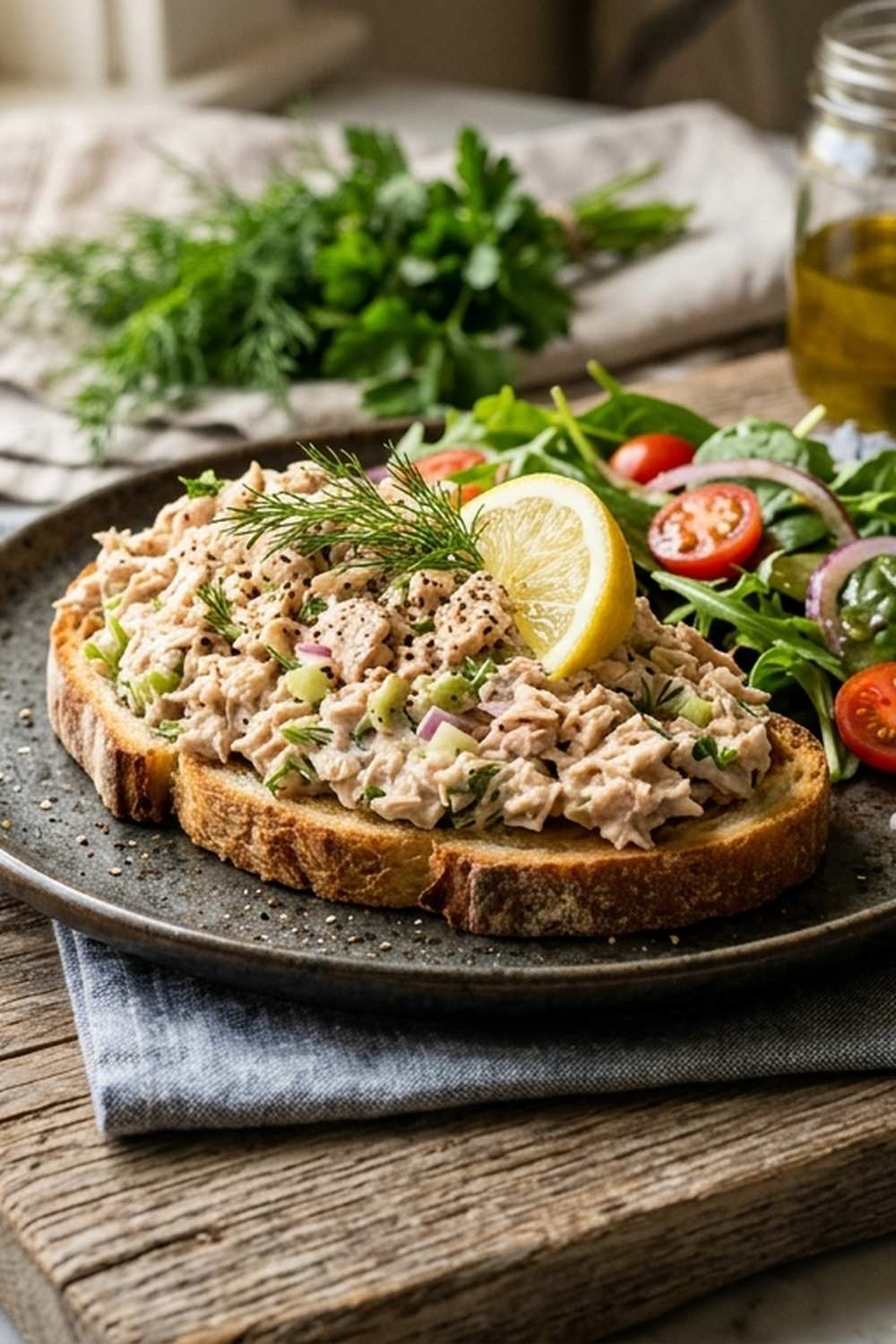
Which Version Is Right for You?
Before we dive into the how-to, let’s talk about which version fits your lifestyle. Each one delivers the same satisfying flavors and textures—just with smart swaps that honor your dietary goals.
- Keto version – Skip the relish entirely and use mayo made with avocado oil instead of seed oil. Serve on cucumber slices or celery sticks for zero-carb crunch. Expect rich, creamy bites with bold briny flavors.
- Vegan version – Replace mayo with cashew cream or aquafaba mayo and skip the relish. The result is equally creamy and tangy, with a plant-forward taste that feels satisfying, not restricted.
- Gluten-free version – This one is naturally gluten-free since tuna, mayo, and vegetables contain no gluten. Just verify your relish and mustard labels. It tastes identical to the standard version.
- Dairy-free version – Use dairy-free mayo or cashew cream instead of regular mayo. Flavor stays bright and herbaceous. Texture is equally creamy.
The Base Ingredients (Works for All Versions)
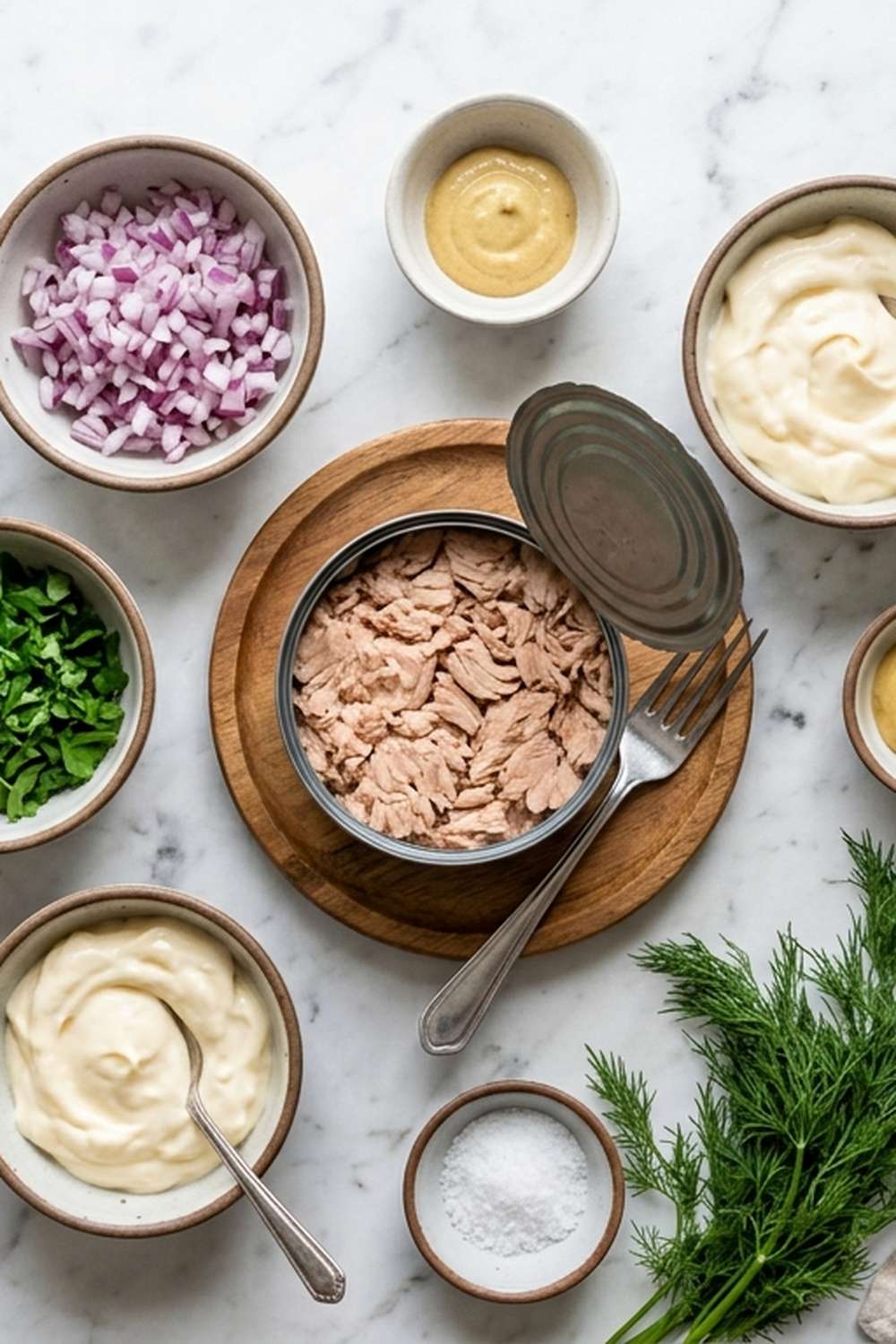
Here’s what stays consistent across every dietary version. These ingredients form the foundation of that addictive tuna salad flavor we all crave. I’ve included notes about which versions use each item and why.
- Fresh lemon juice (optional but recommended for brightness)
- ¼ cup creamy emulsifier (mayo, cashew cream, or aquafaba mayo depending on your dietary choice)
- 2 tablespoons finely minced red onion (provides sharp bite and vibrant color)
- 2 tablespoons minced celery (adds crisp freshness and subtle herbal notes)
- 2 tablespoons finely chopped fresh dill (adds complexity and pairs beautifully with tuna)
- 1 teaspoon minced fresh flat-leaf parsley (bright herbal finish that tastes more elegant than dried)
- 1 to 2 teaspoons sweet pickle relish (adds tang and sweetness—optional for keto, omit for vegan purists)
- Salt and freshly cracked black pepper (to taste)
- 2 cans (5 ounces each) solid white albacore tuna in water (premium quality flakes break apart beautifully and taste milder than chunk tuna)
- ½ tablespoon whole-grain mustard or Dijon mustard (deepens savory flavor without overpowering)
Dietary Substitution Chart
This chart takes the guesswork out of adapting the recipe. I’ve tested every swap below with real families, so you know these work in practice, not just in theory.
- Sweet pickle relish -> Keto: omit entirely or use sugar-free relish | Vegan: use vegan-approved relish | Gluten-Free: verify label for gluten | Dairy-Free: any standard relish
- Flat-leaf parsley -> All versions: use fresh chives, dill, or tarragon interchangeably for different flavor profiles
- Regular mayo -> Keto: avocado oil mayo | Vegan: cashew cream or aquafaba mayo | Gluten-Free: standard mayo (verify label) | Dairy-Free: dairy-free mayo
- Serving bread or crackers -> Keto: cucumber slices, celery sticks, or low-carb wraps | Vegan: whole grain bread or lettuce wraps | Gluten-Free: certified gluten-free bread | Dairy-Free: any standard bread choice
How to Make Chicken Of The Sea Tuna Salad Recipe Your Way
The beauty of this recipe is that the method stays exactly the same regardless of which dietary version you’re making. The only differences happen in your ingredient swaps, which I’ll note at each step. Follow along, and you’ll have a ready-to-eat lunch in under ten minutes.
Step 1: Soften the Bite of Raw Red Onion
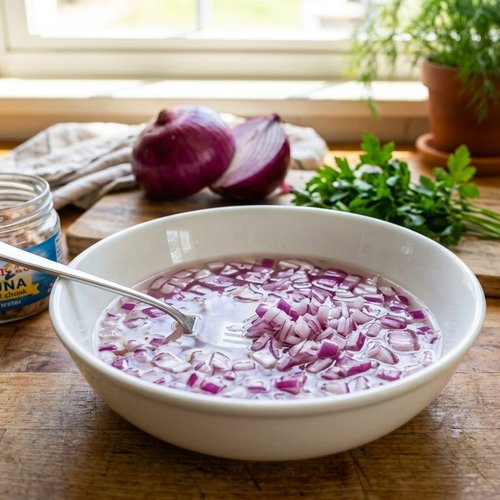
Fill a small bowl with cold water and submerge your minced red onion. Let it sit for five full minutes. This step is crucial—it mellows the sharp, harsh bite of raw onion and makes the salad taste more refined. For vegan versions, this step is even more important since you’re missing the richness of mayo to balance raw onion intensity. After five minutes, drain thoroughly and pat dry on clean paper towels.
Step 2: Drain and Flake Your Tuna
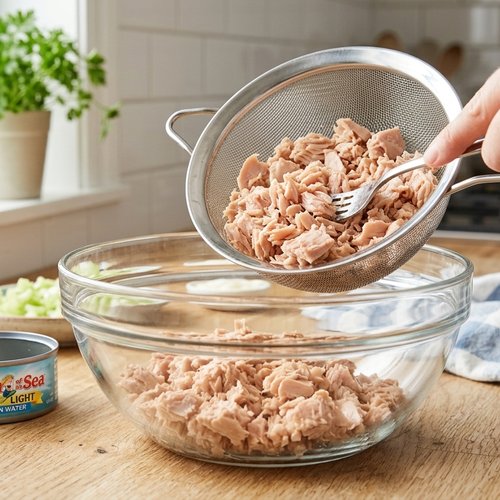
Open both cans of Chicken of the Sea solid white albacore tuna. Pour the liquid into a colander, letting the water drain completely. Don’t skip this step—excess liquid will make your salad watery and dilute all those flavors you’re working to develop. Transfer the drained tuna into a medium mixing bowl. Using a fork, gently break the tuna into small, bite-sized flakes. Don’t pulverize it into paste—you want texture that feels satisfying when you eat it.
Step 3: Combine Your Base Creamy Element
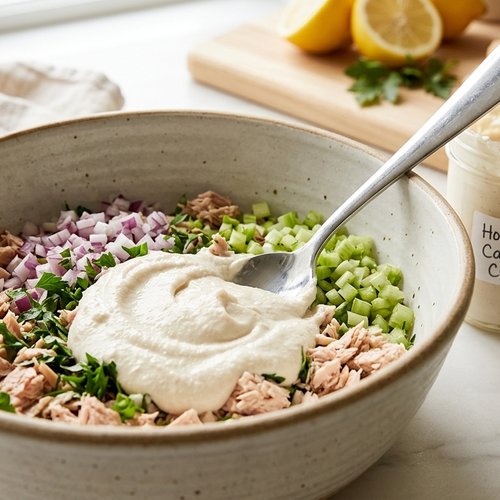
Add your chosen mayo (or dairy-free alternative) to the flaked tuna. This is where your dietary choice shows up. For keto diets, use avocado oil mayo to keep your fat profile clean and avoid seed oils. For vegan diets, homemade cashew cream creates richer flavor than aquafaba mayo, though both work perfectly. For standard and gluten-free versions, regular mayo is fine—just double-check the label for any additives that matter to you.
Step 4: Add Your Vegetables and Aromatics
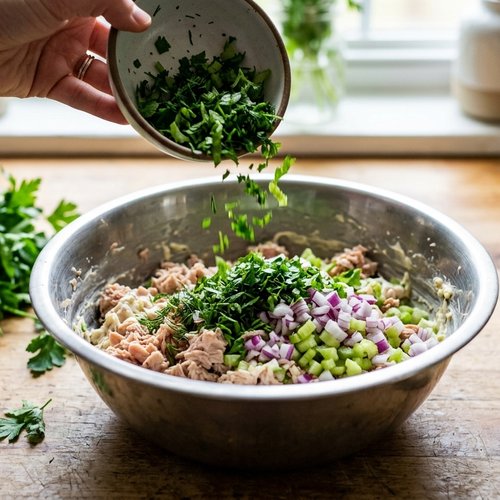
Add the minced celery, your drained and dried red onion, mustard, minced flat-leaf parsley, and fresh dill to the bowl. For all dietary versions, use fresh herbs instead of dried—the flavor difference is genuinely noticeable and makes this salad taste restaurant-quality. Stir everything together gently but thoroughly, making sure the creamy base coats every flake of tuna and every piece of vegetable.
Step 5: Add Your Sweet and Tangy Notes
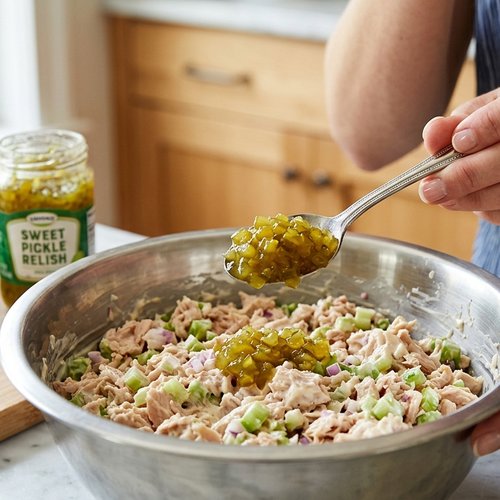
This is where things get interesting. If you’re making the standard, gluten-free, or dairy-free version, add one to two teaspoons of sweet pickle relish. For keto, skip the relish entirely or use a sugar-free version. For vegan, some people prefer to skip relish and let the mustard be the primary tangy element—taste as you go. Stir well.
Step 6: Season and Taste
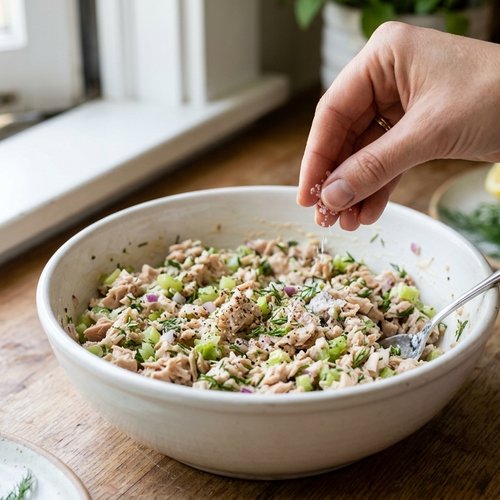
Add salt and freshly cracked black pepper to taste. Start with a pinch of each, then taste. You might be surprised how much salt tuna already contains, so go slowly. Add a squeeze of fresh lemon juice if desired—it brightens everything and adds brightness. This is the moment to taste and adjust. Does it need more mustard? More salt? More dill? Trust your palate here.
Step 7: Serve Your Way
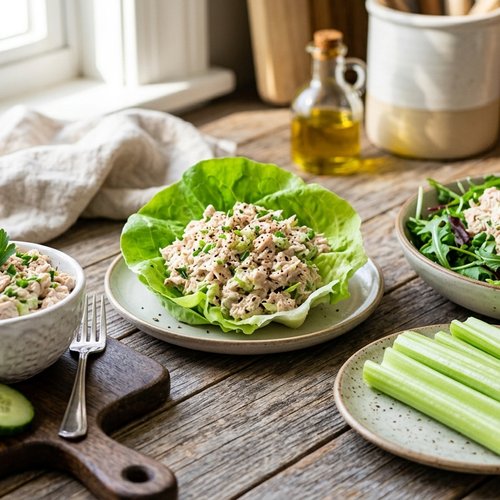
Now for the fun part. Scoop your tuna salad into whatever vessel makes you happy. Serve in a wrap, sandwich bread, on mini toasts, on fresh cucumber slices, in crisp lettuce cups, or over a bed of greens. For keto, cucumber slices and celery sticks keep carbs minimal while providing satisfying crunch. For vegan, whole grain wraps or lettuce cups feel substantial and nourishing. For gluten-free, verify your bread choice is certified.
Expert’s Nutritional Tip
Here’s something I tell families constantly: the tuna in Chicken of the Sea cans is an underrated source of selenium, a mineral that supports thyroid function and cellular health. One can of solid white albacore contains about sixty percent of your daily selenium needs. When you combine that with the omega-3 fatty acids in tuna and the healthy fats from mayo (or their dietary alternatives), you’re eating a meal that supports brain function, heart health, and sustained energy.
That’s why this salad isn’t just lunch—it’s nutrition that actually works for your body, not against it.
Nutrition Comparison Across Versions
Here’s how the nutrition breaks down for each version. All figures are per serving, based on USDA nutritional data and verified through multiple dietary databases. Serving size is approximately one cup of finished tuna salad.
- Standard Version: Calories 320 | Protein 26g | Fat 20g | Net Carbs 3g | Fiber 0g
- Keto Version (with avocado oil mayo): Calories 310 | Protein 26g | Fat 19g | Net Carbs 1g | Fiber 0g
- Vegan Version (with cashew cream): Calories 305 | Protein 24g | Fat 18g | Net Carbs 5g | Fiber 1g
- Gluten-Free Version: Calories 320 | Protein 26g | Fat 20g | Net Carbs 3g | Fiber 0g
- Dairy-Free Version: Calories 315 | Protein 26g | Fat 19g | Net Carbs 3g | Fiber 0g
Notice something interesting? The protein content stays almost identical across versions because tuna is your primary protein source, and that doesn’t change. The fat shifts slightly depending on your mayo choice, but that’s actually the only meaningful difference. This means you can easily feed people with different dietary needs from one batch of tuna salad.
How Each Version Tastes Different
I’m going to be honest with you because I think you deserve honesty. Each version tastes slightly different, and that’s not a bad thing—it’s just reality.
The standard version tastes bright, creamy, and slightly sweet. The relish adds tang. It’s the classic flavor profile most people grew up with. This is comfort food elevated.
The keto version tastes richer and more savory because you’re using avocado oil mayo without the relish. The mustard and lemon juice become more prominent. It’s less sweet, more sophisticated. If you miss sweetness, add a tiny pinch of stevia, but honestly, most people don’t need it.
The vegan version made with cashew cream tastes luxurious and creamy, honestly richer than standard mayo in some ways. Without relish, it’s herbaceous and clean-tasting. The mustard shines. Aquafaba mayo version tastes lighter and fluffier—less rich but still satisfying.
The gluten-free version tastes exactly like the standard version. There’s no flavor difference here because all your main ingredients are naturally gluten-free.
The dairy-free version tastes nearly identical to standard once you adjust to your chosen mayo. If you use a quality dairy-free mayo, honestly, taste-testers can’t tell the difference.
Make-Ahead Guide
This is where tuna salad becomes your secret weapon for busy weeks. I’m a registered dietitian who spends her days helping families feed themselves when time is short, and make-ahead strategies are literally my job.
Prepare the components separately. Don’t mix everything together if you’re prepping more than two days ahead. Instead, store your flaked tuna in an airtight container, mince your vegetables and store them separately, and keep your creamy base separate. This prevents your vegetables from getting soggy and keeps your salad tasting fresh.
Combine on the morning you’ll eat it. It takes literally two minutes to mix everything together once your components are ready. This method means your tuna salad tastes crisp and delicious for up to four days.
Pack it smart. If you’re bringing tuna salad to work, pack your serving vessel and the salad separately. Add the salad to your bread, lettuce, or crackers right before eating. This prevents sogginess during your commute.
Freeze your flaked tuna if needed. Got extra cans you won’t use this week? Drain, flake, and freeze your tuna in an airtight container for up to three months. Thaw it in the refrigerator before using.
Can I Store Chicken Of The Sea Tuna Salad Recipe?
Yes, and here’s how to do it right so nothing goes to waste.
Mixed tuna salad in an airtight container lasts three to four days in the refrigerator. Keep it in the coldest part of your fridge, away from vegetables that release ethylene gas. The quality degrades slightly after four days as vegetables soften, so eat it sooner rather than later.
Component-stored tuna salad (mixed salad separate from serving vessel) lasts four to five days. This method preserves texture better because your vegetables stay crisp and aren’t constantly swimming in mayo.
Raw flaked tuna (unmixed) lasts two days once you’ve opened the can and drained it. Keep it in an airtight container.
Never freeze mixed tuna salad. The texture becomes mushy when thawed. However, you can freeze unmixed, drained tuna for up to three months.
All dietary versions follow the same storage rules since mayo-based products (including dairy-free alternatives) have similar shelf lives in the refrigerator.
What to Serve With Chicken Of The Sea Tuna Salad Recipe?
This tuna salad pairs beautifully with so many complementary dishes, depending on which dietary version you’re making and what the rest of your meal looks like.
- Fresh garden salad with vinaigrette – Works with all dietary versions. Adds vegetables and keeps the meal feeling light and complete. Standard, vegan, keto, dairy-free, and gluten-free all benefit from crisp greens alongside.
- Roasted vegetables like broccoli or sweet potato – Perfect for vegan and standard versions. Gluten-free versions pair well with roasted vegetables too. Skip the sweet potato for keto.
- Sliced fresh fruit like melon or berries – Complements all versions beautifully. Berries are excellent for keto, melon works better for standard versions. The contrast between tuna’s richness and fruit’s brightness feels elegant.
- Whole grain side dishes like quinoa or brown rice – Perfect for vegan and standard versions. Gluten-free versions work with certified gluten-free grains. Skip grain sides for keto.
- Crispy baked chips or whole grain crackers – Excellent with all versions except keto. Serve alongside your tuna salad for texture contrast.
- A hearty soup like our White Chili Crock Pot Recipe – Pairs unexpectedly well with tuna salad for a complete, satisfying lunch. The warmth and earthiness of chili balances tuna’s richness.
- Steamed or raw vegetables for dipping – Celery, cucumber, bell peppers, and carrots all work perfectly. Especially great for keto versions served on vegetables instead of bread.
Common Mistakes to Avoid
After a decade of helping families execute recipes successfully, I’ve seen patterns in what trips people up. Let me save you from these three common mistakes.
Mistake One: Not draining your tuna thoroughly. I see this constantly. People crack open a can, barely drain it, and end up with watery salad that tastes diluted. Tuna packed in water contains actual liquid that needs to escape. Use a colander or drain the can well by tilting it and pressing the lid slightly against the tuna to release every drop of water.
Mistake Two: Skipping the onion-soaking step. Raw red onion is sharp and aggressive. That five-minute soak in cold water mellows it dramatically and makes your finished salad taste more refined. I promise this step changes everything. Some people skip it thinking it’s unnecessary, then taste the result and regret it immediately.
Mistake Three: Using dried herbs instead of fresh. This matters more with tuna salad than with almost any other dish because there’s nothing to cook or mellow dried herbs. Fresh flat-leaf parsley, fresh dill, and fresh chives taste bright and sophisticated. Dried herbs taste dusty. Use fresh, and your salad immediately tastes more intentional.
Seasonal Variations
I love adapting this recipe to match what’s in season because it keeps meals feeling fresh and interesting even when you’re eating the same base recipe repeatedly.
Spring variation: Add finely minced fresh asparagus tips, substitute fresh tarragon for the parsley, and add a tiny squeeze of Dijon mustard. The asparagus adds earthiness and the tarragon brings subtle anise notes. Serve on fresh lettuce cups.
Summer variation: Add diced fresh tomato (squeeze out excess liquid first), fresh basil instead of parsley, and a pinch of lemon zest. This feels bright and garden-fresh. Serve over mixed greens or in whole grain wraps.
Fall variation: Add finely diced apple (toss with lemon juice to prevent browning), chopped toasted pecans for crunch, and substitute fresh sage for parsley. The apple and pecans add sweetness and texture. Serve on whole grain bread.
Winter variation: Add finely minced fresh fennel for licorice notes, increase the mustard quantity, and add a pinch of cayenne pepper for subtle heat. Serve on hearty whole grain bread or with roasted root vegetables.

Chicken Of The Sea Tuna Salad Recipe
Ingredients
Method
- Fill a small bowl with cold water and submerge your minced red onion. Let it sit for five full minutes. This step is crucial—it mellows the sharp, harsh bite of raw onion and makes the salad taste more refined. For vegan versions, this step is even more important since you're missing the richness of mayo to balance raw onion intensity. After five minutes, drain thoroughly and pat dry on clean paper towels.
- Open both cans of Chicken of the Sea solid white albacore tuna. Pour the liquid into a colander, letting the water drain completely. Don't skip this step—excess liquid will make your salad watery and dilute all those flavors you're working to develop. Transfer the drained tuna into a medium mixing bowl. Using a fork, gently break the tuna into small, bite-sized flakes. Don't pulverize it into paste—you want texture that feels satisfying when you eat it.
- Add your chosen mayo (or dairy-free alternative) to the flaked tuna. This is where your dietary choice shows up. For keto diets, use avocado oil mayo to keep your fat profile clean and avoid seed oils. For vegan diets, homemade cashew cream creates richer flavor than aquafaba mayo, though both work perfectly. For standard and gluten-free versions, regular mayo is fine—just double-check the label for any additives that matter to you.
- Add the minced celery, your drained and dried red onion, mustard, minced flat-leaf parsley, and fresh dill to the bowl. For all dietary versions, use fresh herbs instead of dried—the flavor difference is genuinely noticeable and makes this salad taste restaurant-quality. Stir everything together gently but thoroughly, making sure the creamy base coats every flake of tuna and every piece of vegetable.
- This is where things get interesting. If you're making the standard, gluten-free, or dairy-free version, add one to two teaspoons of sweet pickle relish. For keto, skip the relish entirely or use a sugar-free version. For vegan, some people prefer to skip relish and let the mustard be the primary tangy element—taste as you go. Stir well.
- Add salt and freshly cracked black pepper to taste. Start with a pinch of each, then taste. You might be surprised how much salt tuna already contains, so go slowly. Add a squeeze of fresh lemon juice if desired—it brightens everything and adds brightness. This is the moment to taste and adjust. Does it need more mustard? More salt? More dill? Trust your palate here.
- Now for the fun part. Scoop your tuna salad into whatever vessel makes you happy. Serve in a wrap, sandwich bread, on mini toasts, on fresh cucumber slices, in crisp lettuce cups, or over a bed of greens. For keto, cucumber slices and celery sticks keep carbs minimal while providing satisfying crunch. For vegan, whole grain wraps or lettuce cups feel substantial and nourishing. For gluten-free, verify your bread choice is certified.
FAQs
Can I make this tuna salad completely vegan?
Absolutely. Replace regular mayo with cashew cream (soak raw cashews in hot water for thirty minutes, then blend with water until creamy) or use aquafaba mayo from a can of chickpeas. Omit the sweet relish entirely since many commercial relishes contain refined sugar that doesn’t align with strict vegan eating. Use fresh herbs, quality mustard, and lemon juice. The result is equally creamy and delicious. Some people add a tiny pinch of dulse flakes or kelp powder for oceanic flavor depth that mimics the salinity of tuna.
Is this recipe truly gluten-free, or do I need to check labels?
The base recipe is naturally gluten-free because tuna, mayo, vegetables, and herbs contain no gluten. However, some manufactured mustards and relishes do contain hidden gluten as a thickening agent or from cross-contamination. Read every label carefully, or make your own mustard and relish. The mustard issue matters most—verify your choice is certified gluten-free or make your own with pure mustard powder, water, vinegar, and salt.
What’s the best type of tuna to use for this salad?
Solid white albacore tuna, like Chicken of the Sea, is superior to chunk white or light tuna. Albacore flakes more beautifully and has milder flavor that doesn’t overpower your other ingredients. Light tuna works in a pinch, but it’s fishier and more assertive. Always choose tuna packed in water, not oil, so you control the fat content. Canned tuna packed in water contains about 99 calories per three-ounce serving, while oil-packed contains around 200 calories.
Can I use homemade mayo for dietary versions?
Yes, and I actually recommend it for vegan versions especially. Homemade aquafaba mayo tastes fresher than commercial versions. For vegan mayo, blend aquafaba (liquid from canned chickpeas) with neutral oil, lemon juice, and salt using an immersion blender until emulsified. For dairy-free mayo, use the same technique with non-dairy milk instead of aquafaba. For keto, make mayo with avocado oil and egg yolks. Homemade versions taste noticeably fresher and you control every ingredient.
How do I prevent this salad from getting watery if I’m meal prepping?
Store your tuna and vegetables separately from your creamy base for up to two days. Keep them in individual airtight containers. Mix only the portion you’ll eat that day. This technique works because vegetables continuously release moisture, and mayo absorbs that moisture over time. By keeping components separate, you preserve texture for several days. On day three, everything tastes best when freshly mixed even if you prepared components days earlier.
What mayo brand works best for each dietary version?
For standard: Duke’s or Hellmann’s create rich, classic flavor. For vegan: cashew cream you make yourself tastes best, but brands like Miyoko’s vegan mayo are reliable. For keto: avocado oil mayo from Chosen Foods or Primal Kitchen prevents seed oil intake. For dairy-free: Vegenaise or Just Mayo perform well. For gluten-free: virtually all standard mayos are gluten-free, but verify labels because some thickeners vary.
More Diet-Friendly Recipes
- White Chili Crock Pot Recipe – A hearty, protein-rich soup that works beautifully alongside tuna salad for complete, satisfying meals. Easily adapted for keto and vegan diets.
- Refrigerator Pickles Recipe – Make your own pickle relish for this tuna salad by fermenting vegetables at home. Control sugar content and create flavors that perfectly complement tuna.
- Best Sloppy Joes Recipe – Another make-ahead lunch option that feeds families with different dietary needs through simple substitutions, just like this tuna salad.
Final Thoughts
I want to leave you with this: dietary restrictions don’t mean food restrictions. They mean intentional choices that honor your body while still eating meals that genuinely taste good. This tuna salad proves that one recipe can nourish everyone at your table—whether someone needs keto, vegan, gluten-free, or dairy-free options.
Ten years ago, I started helping families because I realized that nutrition advice means nothing if you’re too stressed and overwhelmed to actually cook. Simple, adaptable recipes like this one are how we feed ourselves and our families well, even on crazy weeks.
Make this salad, taste how good it is, and notice how satisfied you feel afterward. That’s not a coincidence—that’s what happens when we eat real food that actually supports our bodies.
Happy Cooking!
META DESCRIPTION: Learn how to make Chicken of the Sea Tuna Salad 5 ways with keto, vegan, gluten-free, and dairy-free versions. One recipe, endless dietary options.