
This post contains affiliate links. As an Amazon Associate I earn from qualifying purchases.
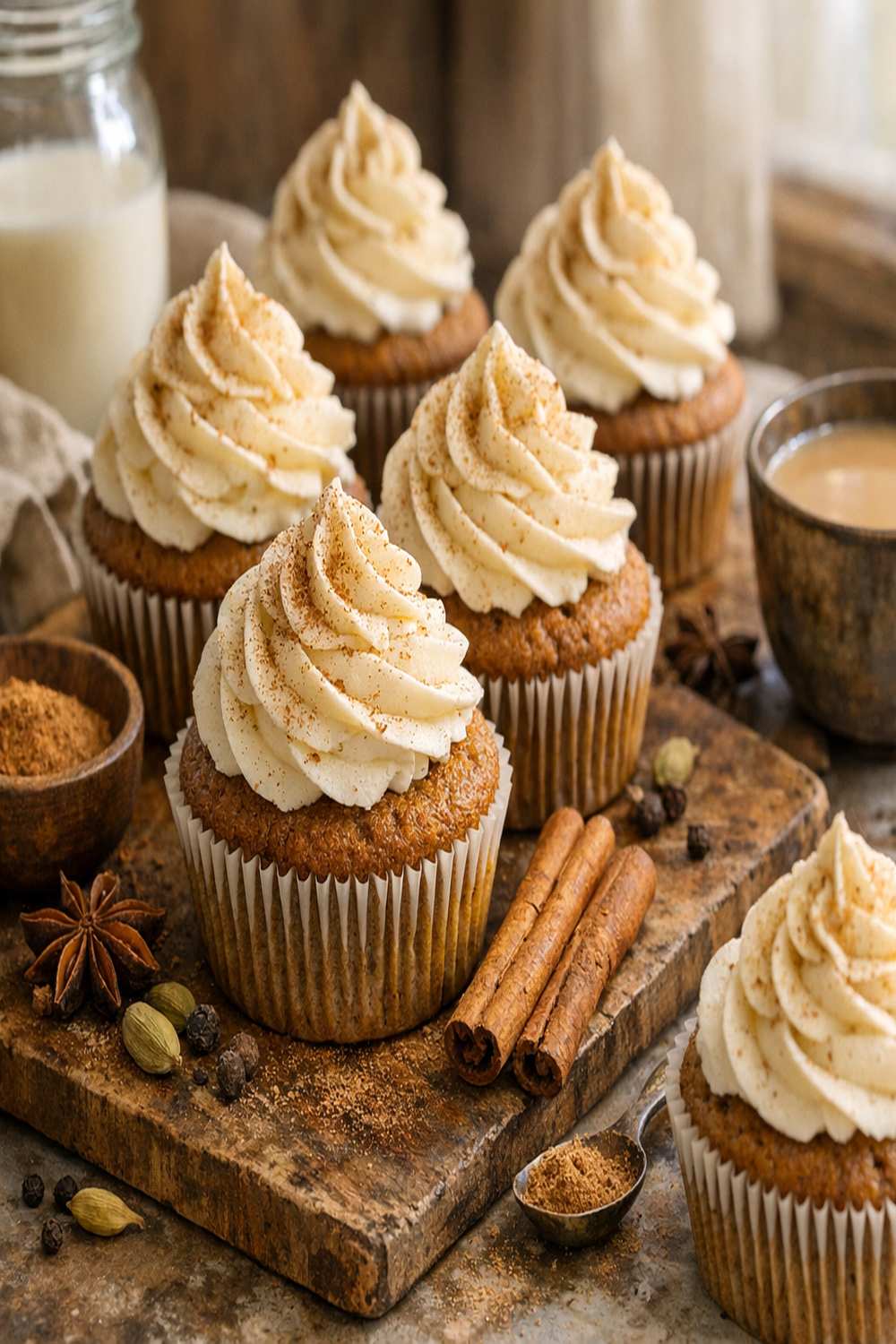
I still remember the November afternoon when my daughter came home from school asking why our kitchen didn’t smell like the chai lattes from the coffee shop down the street. That simple question sparked something in me—a challenge to bring that warm, spiced comfort into our home in a way my kids would actually eat. What started as an experiment with steeped tea and box mixes evolved into these chai cupcakes, and honestly? They’ve become our family’s unofficial celebration dessert.
You’ve probably tried the standard vanilla cupcake route, maybe even a basic spice cake version. I’ve tested both, and while they’re fine, they miss something essential—that authentic chai warmth that makes people close their eyes and sigh when they take a bite. This recipe captures it perfectly, and the best part? It’s actually faster than you’d think for a weeknight dessert that feels fancy.
Chai Cupcakes Recipe: Why This Version Becomes Your Family Favorite
After a decade of helping families find their rhythm in the kitchen, I’ve learned that the best recipes aren’t the ones that sound impressive on Instagram. They’re the ones that actually fit into real life—the ones your kids request for birthday treats, the ones you can make while handling homework questions, the ones that turn an ordinary Tuesday into something special.
I’ve personally tested three distinct approaches to chai cupcakes: the traditional method using chai concentrate, the bouillon cube shortcut, and this version using steeped tea. Each taught me something valuable about flavor development, moisture control, and whether the extra steps actually deliver better results.
The Methods Compared: A Honest Breakdown
Let me break down what I’ve discovered through years of testing different chai cupcake approaches. Each method has legitimate strengths, but they also have real trade-offs that affect your final result and your stress level in the kitchen.
- The Chai Concentrate Method – Uses pre-made chai concentrate from the store. Pros: incredibly fast, consistent flavor every time, minimal ingredients to gather. Cons: tastes more like liquid chai than true baked-in spice, often too sweet, doesn’t develop the layered warmth that makes people ask “what IS this flavor?” This works best for busy parents who prioritize speed over that “wow” factor.
- The Chai Powder Mix Method – Relies on instant chai powder packets mixed directly into dry ingredients. Pros: super convenient, one-step flavor building, travels well if baking at a friend’s house. Cons: less control over spice intensity, sometimes leaves a slightly artificial aftertaste, doesn’t create the same depth as real steeped tea. Best for: families with severe time constraints or dairy sensitivities (if using non-dairy powder versions).
- The Steeped Tea Method (This Recipe) – Creates a chai-infused milk by steeping actual chai tea in warm milk for 20-30 minutes before baking. Pros: authentic chai flavor that tastes like a real chai latte, more nuanced spice profile, you control the steeping time so intensity is flexible, adds moisture to cupcakes naturally. Cons: requires a bit of advance planning (can be done the night before), steeping time itself. Best for: families who want that “restaurant quality” result and don’t mind a small planning step.
Why This Version Beats the Rest
Here’s what happens when you steep actual chai tea in warm milk: the heat opens up the spice molecules in the cinnamon, ginger, cardamom, and allspice. Instead of tasting like individual spices, they blend together into something more complex—something that reminds you of fall mornings and cozy evenings. The milk itself picks up that warmth and carries it throughout every bite of the cupcake.
The cupcake texture is where this truly shines. Because you’re infusing the milk rather than adding powder or concentrate, the crumb stays impossibly tender. It’s not dense or gritty. It’s the kind of cupcake that melts slightly on your tongue while the frosting—equally spiced, equally creamy—creates this perfect balance of sweetness and warmth.
The color is another small but real difference. These cupcakes develop a subtle golden-brown tone from the spices, making them look homemade in the best possible way. And the smell? Your kitchen will smell like a chai café for hours. I’m not exaggerating when I say this is the detail that makes my kids excited about helping me bake.
The Ingredients
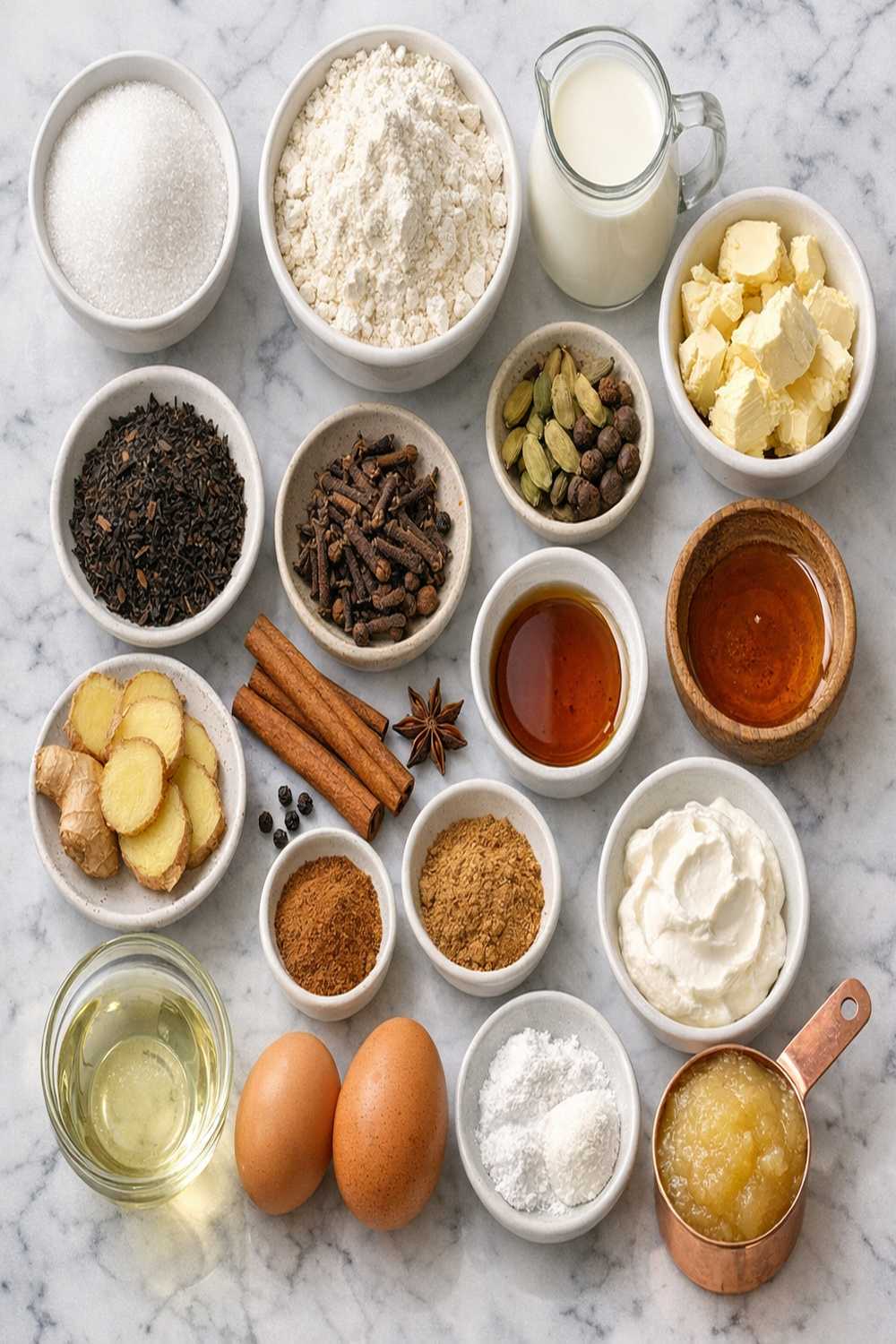
Every ingredient in this recipe serves a specific purpose, especially when you understand how chai spices work in baking. The combination of whole spices brewed directly into milk creates a different flavor than adding pre-ground spices to flour. You’re essentially making a chai concentrate at home, which gives you total control over the final taste.
For the Chai Spice Blend
- 1¼ teaspoons ground cardamom (this is what makes it taste authentically chai, not just “pumpkin spice”)
- 1¼ teaspoons ground ginger (adds brightness and subtle heat without spiciness)
- ½ teaspoon ground allspice (rounds out the flavor profile with subtle depth)
- 2½ teaspoons ground cinnamon (warm, slightly sweet, the backbone of chai flavor)
For the Cake
- ¼ teaspoon baking soda (works with the sour cream to create lift)
- 1 cup granulated sugar (sweetens without overpowering the spices)
- 2 teaspoons pure vanilla extract not imitation (adds depth to the spice profile)
- ¾ teaspoon baking powder (leavens the cupcakes without making them airy)
- ¼ teaspoon fine sea salt (balances sweetness and enhances spice perception)
- 1¾ cups cake flour spooned and leveled (gentler than all-purpose, creates more tender crumb)
- ½ cup sour cream or plain full-fat yogurt at room temperature (adds moisture and tender crumb)
- 3 large egg whites at room temperature (lighter crumb than whole eggs, lets the chai flavor shine)
- ½ cup whole milk at room temperature (full-fat creates better moisture and richness than skim)
- ½ cup unsalted butter softened to room temperature (quality butter makes a real difference in flavor)
- 1 chai tea bag (black tea with chai spices—Tazo or Harney & Sons work perfectly)
For the Frosting
- ¼ cup heavy cream (creates silky texture and prevents frosting from being overly sweet)
- Pinch of fine sea salt (crucial for balance—most people skip this and their frosting tastes flat)
- 2 teaspoons pure vanilla extract (complements chai without competing)
- 5½ to 6 cups confectioners’ sugar (sifted prevents lumps)
- 1½ cups unsalted butter softened to room temperature (the base of creamy, spreadable frosting)
For Garnish (Optional)
- Cinnamon sticks (visual appeal and a hint of extra spice)
- 2 teaspoons remaining chai spice blend mixed with a pinch of granulated sugar (adds sparkle and authentic chai appearance)
Recipe yields: 14-15 standard cupcakes, or 35-36 mini cupcakes if you prefer smaller portions.
How to Make the Best Version of Chai Cupcakes Recipe
This process is genuinely straightforward, but the small details matter. I’m going to walk you through each step exactly as I’ve refined it over dozens of batches, explaining not just what to do, but why doing it this way produces superior results every single time.
Step 1: Create Your Chai Spice Blend (Do This First)
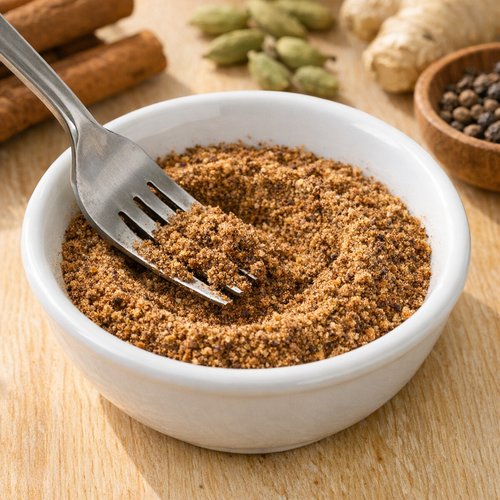
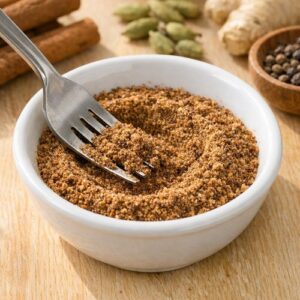
Combine the cinnamon, ginger, cardamom, and allspice in a small bowl and mix thoroughly with a fork. You’ll end up with about 5½ teaspoons total. This is crucial: don’t skip mixing them together first. When the spices are combined before they hit the batter, they distribute evenly and create that blended chai flavor instead of tasting like individual spices competing for attention. Store what you don’t use immediately in an airtight container—this blend lasts about three months and works beautifully in coffee, oatmeal, or yogurt too.
Step 2: Steep Your Chai Tea in Milk (This Can Be Done the Day Before)
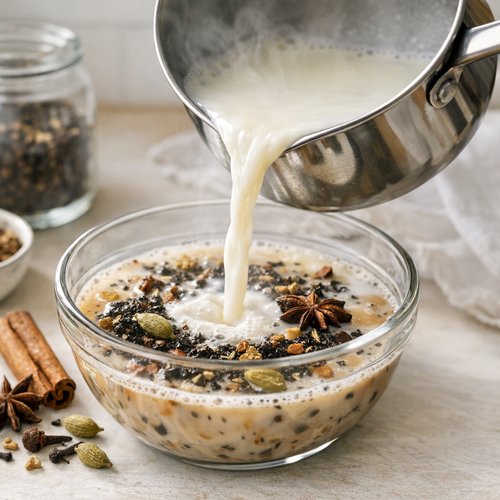
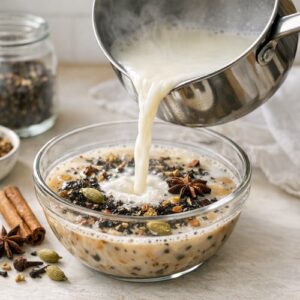
Heat ½ cup whole milk until it’s steaming—either in a small saucepan over medium heat or in the microwave for 1-2 minutes. Pour the hot milk over your chai tea bag and let it steep for exactly 20-30 minutes. This is where the magic happens. The longer steeping time (versus a quick 5-minute brew) allows more flavor compounds from the black tea and spices to infuse into the milk. You’ll see the milk deepen to a beautiful amber-brown color. Let it cool completely to room temperature before using—this prevents the milk from cooking the egg whites when you add it later. If you’re prepping ahead (which I recommend), cover and refrigerate overnight. Just bring it to room temperature before mixing into your batter.
Step 3: Preheat Your Oven and Prepare Pans
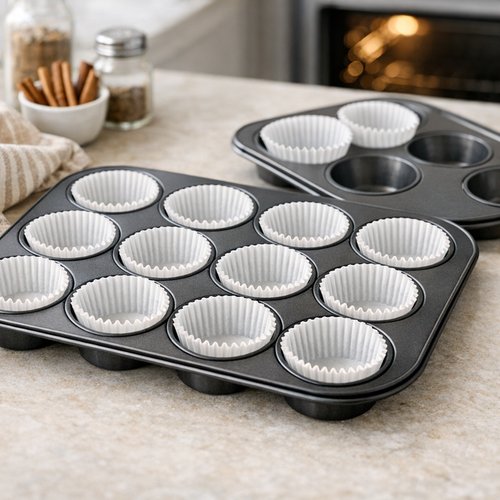
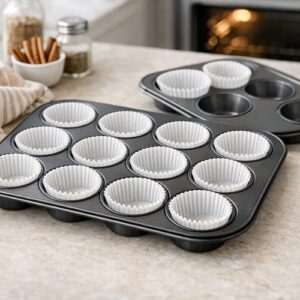
Set your oven to 350°F and line a standard 12-cup muffin pan with paper liners. Line a second pan with 2-3 additional liners—this recipe makes 14-15 cupcakes, so you’ll need a few extra spots. Set everything aside. This prep work prevents you from scrambling once your batter is ready, which is important because overmixing batter ruins the tender texture you’re working toward.
Step 4: Combine All Your Dry Ingredients
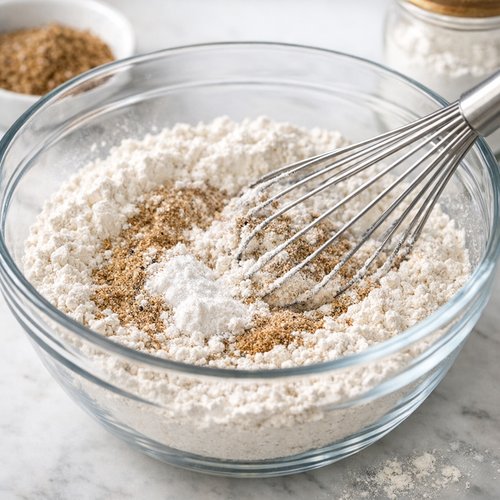
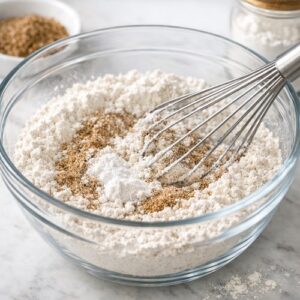
In a medium bowl, whisk together the cake flour, 3½ teaspoons of your chai spice blend, baking powder, baking soda, and salt. Whisking (rather than just mixing with a spoon) incorporates air and ensures the leavening agents are distributed evenly. Whisking also breaks up any tiny lumps in the confectioners’ sugar that might have snuck in from humidity. Set this mixture aside—you’ll add it to the butter mixture in just a moment.
Step 5: Cream Your Butter and Sugar
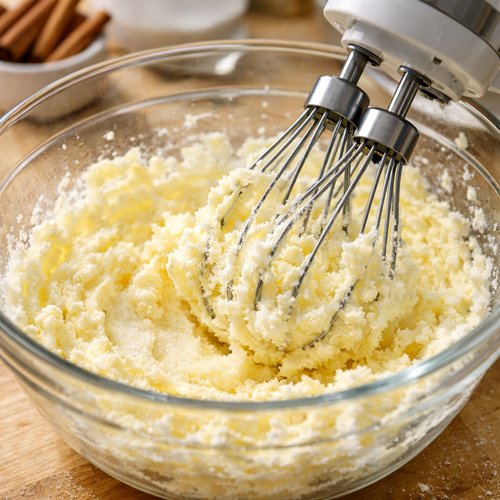
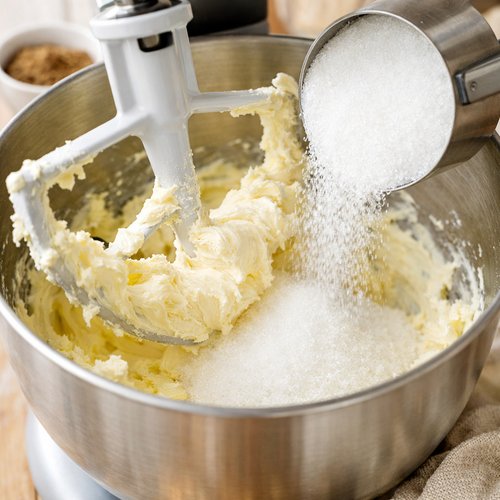
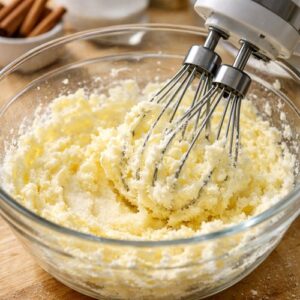
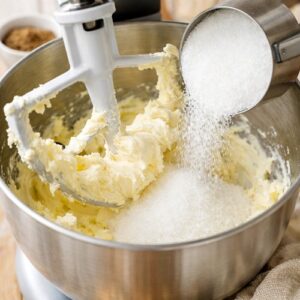
Using an electric mixer (handheld or stand mixer fitted with the whisk attachment), beat the softened butter and granulated sugar together on high speed for about 2 minutes. You want this mixture to become smooth, pale, and slightly fluffy—what bakers call “creamed.” Scrape down the sides and bottom of the bowl with a rubber spatula partway through. This creaming process incorporates air into the batter, which helps the cupcakes rise evenly and creates a tender crumb. This step is non-negotiable if you want that café-quality texture.
Step 6: Add Egg Whites and Combine
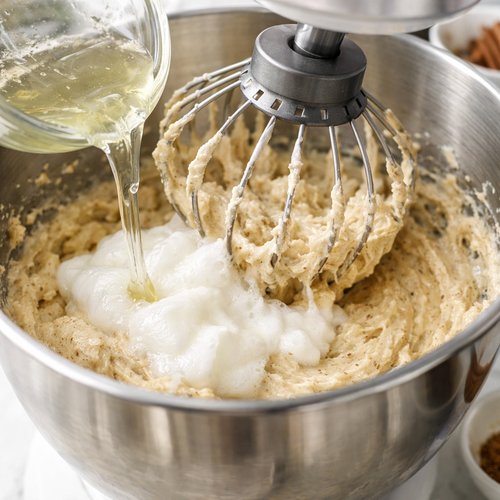
With the mixer still on high speed, add your room-temperature egg whites and beat for about 2 minutes until everything is well combined. The mixture will look slightly fluffy. Using only egg whites (not whole eggs) creates a lighter, more delicate crumb that lets the chai flavors shine without competition. Scrape down the bowl again to ensure everything is fully incorporated.
Step 7: Mix in Sour Cream and Vanilla
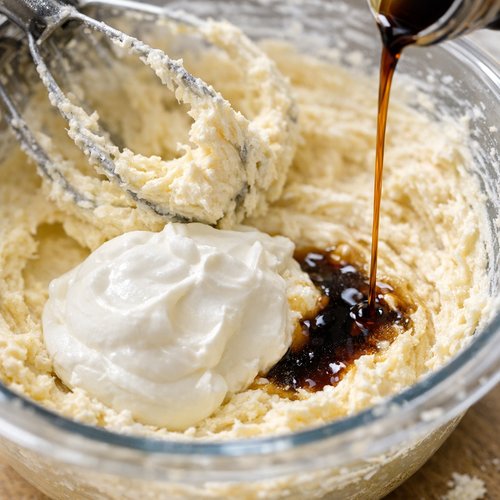
Add the sour cream and vanilla extract to the butter mixture and beat on medium speed until fully combined. The sour cream is doing two things here: adding moisture to prevent dry cupcakes, and adding a subtle tang that balances the sweetness and makes the chai flavor pop. If you’re using yogurt instead, choose plain and full-fat for the same effect. Scrape the bowl down again.
Step 8: Add Dry Ingredients (Here’s Where Most People Mess Up)
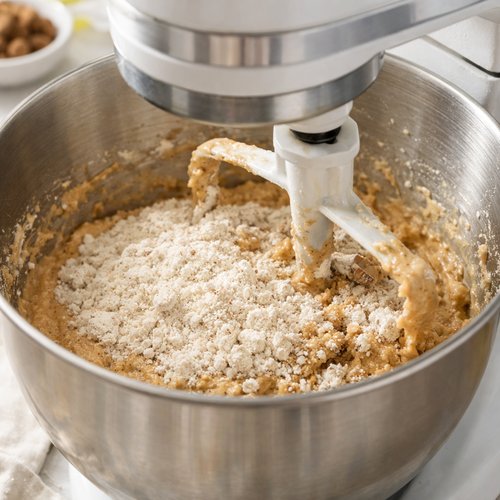
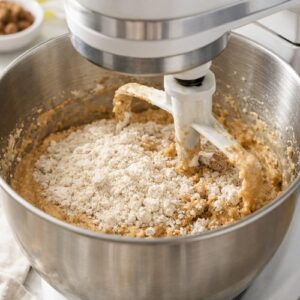
Turn your mixer to low speed and add your dry ingredient mixture. Mix until just barely combined—we’re talking 15-20 seconds. This is critical: overmixing at this stage develops gluten, which makes the cupcakes tough and dense instead of tender. You should see streaks of flour still visible in the batter. Some people are tempted to keep mixing until it’s perfectly smooth. Don’t. Stop while you still see a few flour streaks.
Step 9: Add Your Chai-Infused Milk (Final Step Before Baking)
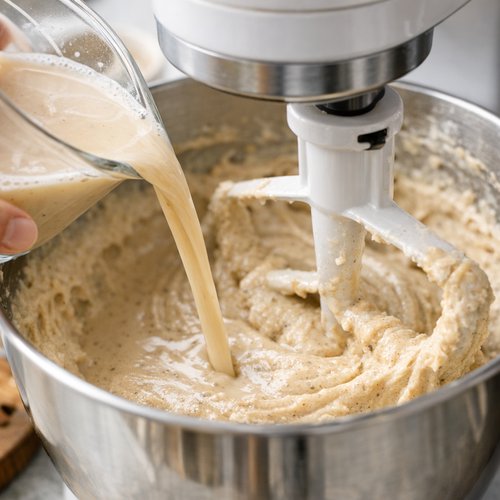
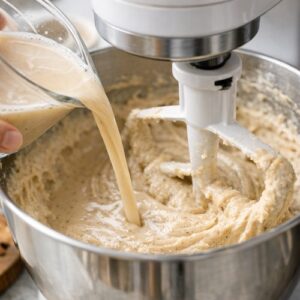
With the mixer still on low speed, slowly pour in your cooled chai-steeped milk while mixing, stopping as soon as everything is just combined. Again, we’re aiming for “just combined,” not “fully smooth.” The batter will be slightly thicker than typical cake batter, and it will smell absolutely incredible—like walking into a chai café. Don’t be alarmed by the thickness; this is exactly what you want.
Step 10: Fill Liners and Bake
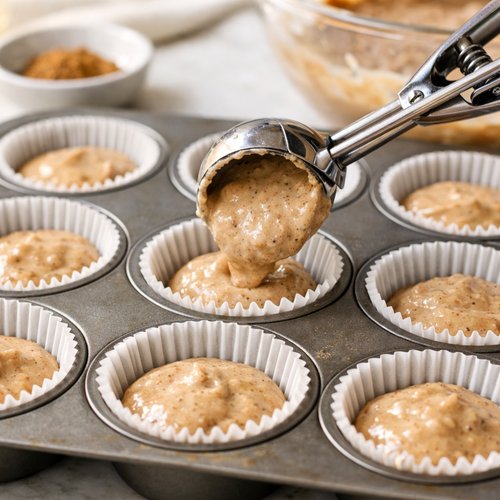
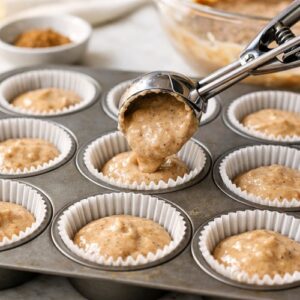
Using a cookie scoop or spoon, fill each liner about two-thirds full. Filling only to two-thirds prevents the cupcakes from spilling over the edges as they rise, which keeps them looking professional and prevents burnt edges. Bake for 20-22 minutes for standard cupcakes, until a toothpick inserted into the center comes out clean or with just a few moist crumbs. For mini cupcakes, reduce baking time to 11-13 minutes at the same temperature. Allow cupcakes to cool completely in the pans before frosting—this prevents frosting from melting.
Step 11: Make Your Chai Buttercream Frosting
Using a clean mixer fitted with the paddle attachment, beat the softened butter on medium speed for 2 minutes until creamy. Stop the mixer and add 5½ cups confectioners’ sugar, heavy cream, 1¾ teaspoons of your remaining chai spice blend, vanilla extract, and a pinch of salt. Beat on low for 30 seconds to combine, then increase to high speed and beat for 2 full minutes. If your frosting looks curdled or greasy (separated), beat in additional confectioners’ sugar, ¼ cup at a time, until it smooths out. If the frosting seems too thick to pipe or spread easily, add another tablespoon of heavy cream. Taste and add another tiny pinch of salt if the frosting tastes too sweet.
Step 12: Frost and Garnish
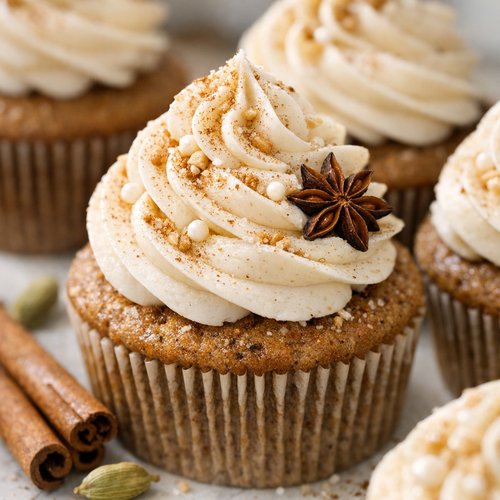
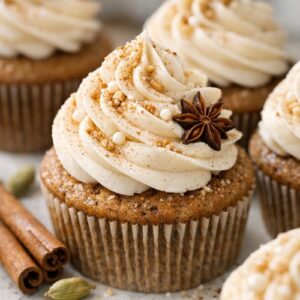
Once cupcakes are completely cooled, frost generously using a piping bag fitted with a large round or star tip (I use a Wilton 8B and love the results). If you’d like, stick a cinnamon stick into the top of each frosted cupcake for a restaurant-quality presentation. Sprinkle the tops with your remaining chai spice blend mixed with a tiny bit of granulated sugar for visual appeal and an extra hint of spice.
Side-by-Side Results: What to Expect
When you pull these chai cupcakes from the oven, you’ll notice they have a subtle golden-brown color from the spices and tea. The cupcake itself will be tender and moist—not dense, not gummy, just perfectly springy. When you bite into one topped with that chai-spiced buttercream, the first thing you notice is the flavor: warm, layered, and authentically chai without being overwhelming. It tastes like a chai latte transformed into cake.
Compare this to standard chai cupcakes made with concentrate (which taste sweeter and more one-dimensional) or those made with dry chai powder (which sometimes leave a slightly grainy texture and artificial aftertaste). The steeped method creates depth. The crumb stays moist for days. The flavor develops even more the next day as spices continue to marry together.
When to Use Each Method
- You have less than 30 minutes and need cupcakes today – Use the chai concentrate method. It’s faster and honestly quite good if you don’t mind the sweeter profile. This method wins on speed.
- You’re baking for a special occasion or family gathering – Use this steeped tea method every time. The authentic chai flavor, tender texture, and “wow factor” make these memorable. The 20-30 minute steeping time is actually an advantage because it forces you to plan ahead, which reduces stress.
- You need to accommodate dietary restrictions like dairy sensitivity – The chai powder method works best here. You can use non-dairy milk powder and still get good results, whereas this steeped method relies on actual milk to create the infusion.
Can I Store Chai Cupcakes Recipe?
Absolutely, and they actually improve with time. Store unfrosted, cooled cupcakes in an airtight container at room temperature for up to 2 days. The spices meld together overnight, creating even deeper flavor. Frosted cupcakes keep best in the refrigerator for up to 5 days, covered in an airtight container so they don’t dry out or absorb fridge odors. The frosting hardens slightly when chilled, which I actually prefer because it slices cleanly and has a more luxurious mouthfeel.
Can you freeze them? Yes! Unfrosted cupcakes freeze beautifully for up to three months in a freezer-safe container. Thaw them at room temperature for about an hour before frosting. Frosted cupcakes can also freeze, but they’re best thawed in the refrigerator overnight to prevent condensation from making the frosting weep. I love having a batch of unfrosted cupcakes in the freezer for unexpected occasions—it’s my secret to looking like a put-together baker even on chaotic weeks.
Nutrition Information
Based on USDA nutrition data, one chai cupcake with frosting contains approximately 285 calories, 14g fat, 38g carbohydrates, and 2g protein. The chai spices contribute antioxidants—particularly the ginger and cinnamon, which studies show may have anti-inflammatory properties. The sour cream provides probiotics if you choose a live-culture variety.
While these are definitely a treat (they’re frosted cupcakes, after all!), the spice blend adds nutritional value without adding calories. One professional tip I share with families: pairing a chai cupcake with a glass of milk or a cup of herbal tea at the end of a meal creates a more balanced experience than eating cupcakes alone, and it stretches your dessert satisfaction further.
Expert’s Nutritional Tip: Understanding Chai Spices Beyond Flavor
As a registered dietitian, I’m always thinking about how ingredients work beyond taste. The spices in this cupcake—cinnamon, ginger, cardamom, and allspice—aren’t just flavor vehicles. Cinnamon may help with blood sugar balance. Ginger has traditionally been used to support digestion. Cardamom contains compounds that support respiratory health. Of course, the amount in a cupcake is modest, but it’s a reminder that using real spices instead of artificial flavoring adds subtle nutritional benefit. This is why I always recommend using freshly ground spices when possible and replacing your spice collection every 6-12 months. Old spices lose potency and flavor.
What Can I Serve With Chai Cupcakes Recipe?
These cupcakes are delicious on their own, but pairing them thoughtfully elevates the whole experience. A warm cup of chai tea or a strong coffee brings out the spice notes beautifully. A cold glass of milk creates a classic cupcake-and-milk moment. For elegant gatherings, I serve them alongside a simple spiced whipped cream and fresh apple slices for textural contrast.
If you’re hosting a fall gathering, these pair wonderfully alongside other seasonal treats. I often make a dessert board with these cupcakes, homemade fudge made in the slow cooker (it’s faster than you’d think), and fresh fruit. The warm spices of the cupcakes contrast beautifully with the richness of fudge and brightness of fresh apple or pear.
- Spiced whipped cream – Whip heavy cream with a touch of powdered sugar and a pinch of ground cinnamon and ginger for a frosting topper that feels gourmet.
- Caramel drizzle – A homemade or quality store-bought caramel drizzle over the frosting adds elegance and pairs beautifully with the chai spices.
- Candied ginger pieces – A small piece of candied ginger on top adds visual appeal and a chewy texture contrast.
- Fresh tea pairings – Serve with black tea, chai lattes, or even herbal tea like chamomile to create a complete sensory experience.
Make-Ahead Guide: Professional Baker Secrets
Here’s how I make these cupcakes fit into my actual life without added stress:
Three days before serving: Steep your chai tea in milk, cool completely, and refrigerate. The flavor actually intensifies as it sits, so this isn’t a shortcut—it’s an improvement.
Two days before serving: Bake your cupcakes without frosting. Let them cool completely, then store in an airtight container at room temperature. They’ll actually taste better the next day as spices marry together.
One day before serving: Make your buttercream frosting. Store in an airtight container at room temperature (or in the refrigerator if your kitchen is warm). Bring back to room temperature and re-beat for 30 seconds before frosting cupcakes.
Day of serving: Frost cupcakes and garnish with cinnamon sticks and spice mixture 1-2 hours before guests arrive. They look freshly made while you stress about literally nothing else.
Common Mistakes to Avoid
Mistake #1: Skipping the steeping step and just adding chai powder to the flour. This creates a different (less complex) flavor. The steeping method infuses the milk with flavor, which distributes throughout the crumb naturally. Skipping it means sacrificing the authentic chai taste.
Mistake #2: Adding the chai-infused milk while it’s still warm. This can partially cook the egg whites before they’re supposed to cook, creating an uneven texture. Always cool the milk completely first. This is why I recommend steeping the day before—it removes this temperature concern entirely.
Mistake #3: Overmixing after adding dry ingredients. This is the single most common reason for tough, dense cupcakes. Mix just until you see a few flour streaks. Your instinct will say “keep mixing until it’s smooth,” but resist. Those streaks disappear during baking.
Mistake #4: Using cold ingredients straight from the refrigerator. Cold butter, eggs, and dairy don’t incorporate evenly, creating a curdled-looking batter and uneven baking. Every ingredient should be room temperature. This takes 30 minutes but makes a real difference.
Seasonal Variations: Adapting Chai Cupcakes Year-Round
Fall (September-November): This is when these cupcakes shine most naturally. Add a teaspoon of pumpkin pie spice to the frosting for extra warmth. Serve with spiced apple cider instead of tea.
Winter (December-February): Add a tiny bit of rum extract or bourbon extract to the frosting for holiday elegance (use ½ teaspoon). These become perfect for holiday parties without feeling overly heavy.
Spring (March-May): Reduce the cardamom slightly and add a touch of rose water to the frosting (¼ teaspoon) for a sophisticated floral note. Garnish with edible flowers instead of cinnamon sticks.
Summer (June-August): Serve these chilled with a light, whipped frosting (add an extra tablespoon of cream). The cooling effect balances the warm spices perfectly. These actually become a sophisticated summer dessert when presented as mini cupcakes.

Chai Cupcakes Recipe
Ingredients
Method
- Combine the cinnamon, ginger, cardamom, and allspice in a small bowl and mix thoroughly with a fork. You'll end up with about 5½ teaspoons total. This is crucial: don't skip mixing them together first. When the spices are combined before they hit the batter, they distribute evenly and create that blended chai flavor instead of tasting like individual spices competing for attention. Store what you don't use immediately in an airtight container—this blend lasts about three months and works beautifully in coffee, oatmeal, or yogurt too.
- Heat ½ cup whole milk until it's steaming—either in a small saucepan over medium heat or in the microwave for 1-2 minutes. Pour the hot milk over your chai tea bag and let it steep for exactly 20-30 minutes. This is where the magic happens. The longer steeping time (versus a quick 5-minute brew) allows more flavor compounds from the black tea and spices to infuse into the milk. You'll see the milk deepen to a beautiful amber-brown color. Let it cool completely to room temperature before using—this prevents the milk from cooking the egg whites when you add it later. If you're prepping ahead (which I recommend), cover and refrigerate overnight. Just bring it to room temperature before mixing into your batter.
- Set your oven to 350°F and line a standard 12-cup muffin pan with paper liners. Line a second pan with 2-3 additional liners—this recipe makes 14-15 cupcakes, so you'll need a few extra spots. Set everything aside. This prep work prevents you from scrambling once your batter is ready, which is important because overmixing batter ruins the tender texture you're working toward.
- In a medium bowl, whisk together the cake flour, 3½ teaspoons of your chai spice blend, baking powder, baking soda, and salt. Whisking (rather than just mixing with a spoon) incorporates air and ensures the leavening agents are distributed evenly. Whisking also breaks up any tiny lumps in the confectioners' sugar that might have snuck in from humidity. Set this mixture aside—you'll add it to the butter mixture in just a moment.
- Using an electric mixer (handheld or stand mixer fitted with the whisk attachment), beat the softened butter and granulated sugar together on high speed for about 2 minutes. You want this mixture to become smooth, pale, and slightly fluffy—what bakers call "creamed." Scrape down the sides and bottom of the bowl with a rubber spatula partway through. This creaming process incorporates air into the batter, which helps the cupcakes rise evenly and creates a tender crumb. This step is non-negotiable if you want that café-quality texture.
- With the mixer still on high speed, add your room-temperature egg whites and beat for about 2 minutes until everything is well combined. The mixture will look slightly fluffy. Using only egg whites (not whole eggs) creates a lighter, more delicate crumb that lets the chai flavors shine without competition. Scrape down the bowl again to ensure everything is fully incorporated.
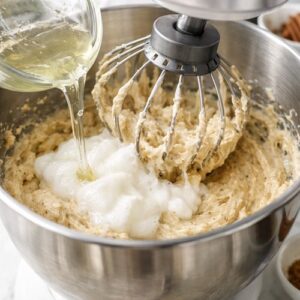
- Add the sour cream and vanilla extract to the butter mixture and beat on medium speed until fully combined. The sour cream is doing two things here: adding moisture to prevent dry cupcakes, and adding a subtle tang that balances the sweetness and makes the chai flavor pop. If you're using yogurt instead, choose plain and full-fat for the same effect. Scrape the bowl down again.
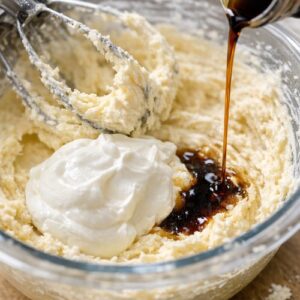
- Turn your mixer to low speed and add your dry ingredient mixture. Mix until just barely combined—we're talking 15-20 seconds. This is critical: overmixing at this stage develops gluten, which makes the cupcakes tough and dense instead of tender. You should see streaks of flour still visible in the batter. Some people are tempted to keep mixing until it's perfectly smooth. Don't. Stop while you still see a few flour streaks.
- With the mixer still on low speed, slowly pour in your cooled chai-steeped milk while mixing, stopping as soon as everything is just combined. Again, we're aiming for "just combined," not "fully smooth." The batter will be slightly thicker than typical cake batter, and it will smell absolutely incredible—like walking into a chai café. Don't be alarmed by the thickness; this is exactly what you want.
- Using a cookie scoop or spoon, fill each liner about two-thirds full. Filling only to two-thirds prevents the cupcakes from spilling over the edges as they rise, which keeps them looking professional and prevents burnt edges. Bake for 20-22 minutes for standard cupcakes, until a toothpick inserted into the center comes out clean or with just a few moist crumbs. For mini cupcakes, reduce baking time to 11-13 minutes at the same temperature. Allow cupcakes to cool completely in the pans before frosting—this prevents frosting from melting.
- Using a clean mixer fitted with the paddle attachment, beat the softened butter on medium speed for 2 minutes until creamy. Stop the mixer and add 5½ cups confectioners' sugar, heavy cream, 1¾ teaspoons of your remaining chai spice blend, vanilla extract, and a pinch of salt. Beat on low for 30 seconds to combine, then increase to high speed and beat for 2 full minutes. If your frosting looks curdled or greasy (separated), beat in additional confectioners' sugar, ¼ cup at a time, until it smooths out. If the frosting seems too thick to pipe or spread easily, add another tablespoon of heavy cream. Taste and add another tiny pinch of salt if the frosting tastes too sweet.
- Once cupcakes are completely cooled, frost generously using a piping bag fitted with a large round or star tip (I use a Wilton 8B and love the results). If you'd like, stick a cinnamon stick into the top of each frosted cupcake for a restaurant-quality presentation. Sprinkle the tops with your remaining chai spice blend mixed with a tiny bit of granulated sugar for visual appeal and an extra hint of spice.
FAQs
Why does the recipe use egg whites instead of whole eggs?
Egg whites create a lighter, more delicate crumb that allows the chai flavors to be the star instead of competing with eggy richness. Whole eggs make the cupcake denser and more cake-like, which isn’t bad—it’s just different. If you prefer whole eggs, use 2 large whole eggs instead of 3 egg whites. The texture will be slightly denser but still delicious.
Can I make this with a chai concentrate or pre-made chai syrup instead of steeping tea?
Yes, but understand that you’re choosing a different flavor profile. Use about ⅓ cup chai concentrate (or chai syrup thinned with water) in place of the steeped milk. The flavor will be sweeter and more one-dimensional, but baking time and results remain similar. This is actually the best shortcut if you’re truly time-crunched.
What’s the difference between using sour cream and yogurt here?
Both work beautifully because they serve the same purpose: adding moisture and tang. Sour cream has a slightly thicker consistency and more pronounced tang. Plain Greek yogurt creates marginally lighter cupcakes. Full-fat versions of both work best. Avoid flavored yogurt, which adds sweetness and competing flavors. If using yogurt, make sure it’s room temperature for even incorporation.
Can I make this recipe dairy-free?
The steeped tea method specifically requires dairy milk to create the infusion, but you have two options: use non-dairy milk (coconut, oat, or almond milk all work) and steep your tea in that, then replace the sour cream with full-fat coconut yogurt. The flavor will be slightly different but still delicious. Or use the chai powder method mentioned earlier, which adapts more easily to dairy-free baking.
How do I know when the frosting is the right consistency?
The frosting should be spreadable but hold its shape when you lift the spatula. If it’s too thin, it’ll drip off the cupcake. If it’s too thick, it’ll tear the tender cupcake crumb. The sweet spot is when you can swirl it onto a cupcake without it flowing, but not so stiff that your frosting bag is difficult to pipe with. Too thick? Add cream one tablespoon at a time. Too thin? Add confectioners’ sugar one-quarter cup at a time.
More Recipes You’ll Love
- Fudge In Slow Cooker Recipe – A surprisingly simple dessert that rivals homemade fudge shops, perfect for pairing with these chai cupcakes on a dessert board.
- Best Sloppy Joes Recipe – When you need a crowd-pleasing dinner that leaves you time for cupcake baking.
- Cincinnati Chili Recipe – A warming dinner that shares the same cozy-spiced appeal as chai cupcakes.
Final Thoughts: Why These Chai Cupcakes Actually Matter
These cupcakes represent something I’ve learned through a decade of helping families navigate the kitchen: the best recipes are the ones that make people feel something. That afternoon my daughter asked why our kitchen didn’t smell like chai? I realized she wasn’t just asking about smell. She was asking if we could bring that café warmth into our home. We could.
This recipe delivers authentic chai flavor in a tender, foolproof cupcake that tastes like you spent hours perfecting it when really, you just planned ahead thoughtfully. It’s the kind of recipe that turns an ordinary afternoon into a memory, that makes your kids ask to help because everything smells so good. It’s the recipe you’ll make again and again because it’s genuinely excellent and actually manageable alongside everything else you’re juggling.
The steeped tea method isn’t the fastest way to make chai cupcakes, but it’s absolutely the best way. It’s worth the small planning step because the flavor is authentic, the texture is perfect, and the result is something your family will actually request by name.
Happy Cooking!